July 15, 2025, 18:49:00 GMT
permalink Post: 11923123
Wires or wiring is mentioned twice in the report:
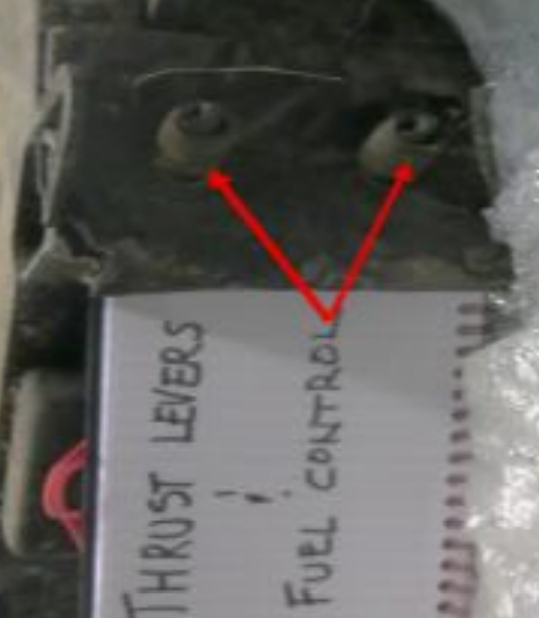
While severely burnt the switches are still solidly in place and anything that was lodged in the switch housing itself would likely still be there. And I guess it would also be unlikely for FOD to equally impact both switches. I think I just talked myself out of the FOD theory.
I find option C to be at least a productive train of thought because it may provide methods of mitigation. That is after all what we're trying to achieve in discussing this kind of accident. I would expect or at least look positively on a suggestion to use the Embraer model for operating the cutoff valves. While it introduces a secondary element that may fail, requiring the Throttle Control Levers to be at idle just seems like a good idea. How is this handled by Airbus?
Subjects
EAFR
Fuel (All)
Fuel Cutoff
Fuel Cutoff Switches
TOGA
Links are to this post in the relevant subject page so that this post can be seen in context.
Reply to this quoting this original post. You need to be logged in. Not available on closed threads.
July 16, 2025, 01:30:00 GMT
permalink Post: 11923360
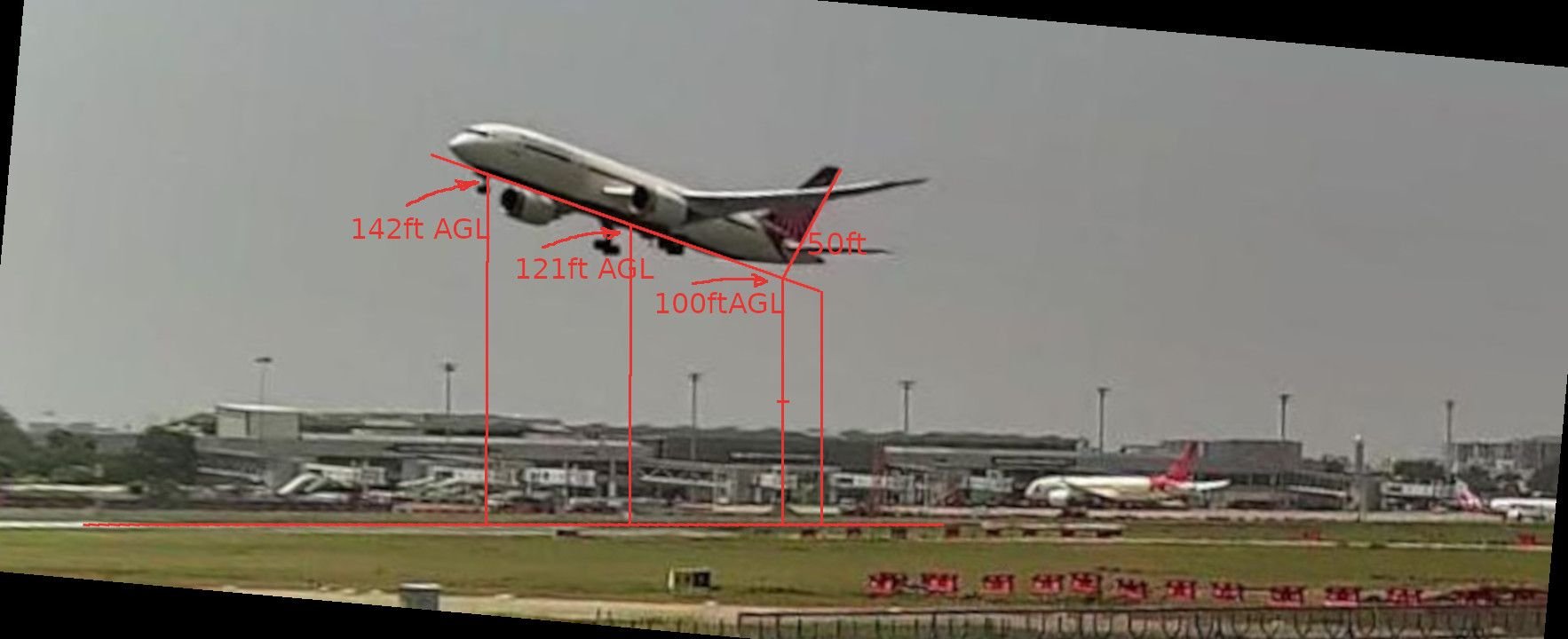
Baro altitude should be around 150ft; using the public cctv video, I estimate this picture was taken between 4-7 seconds after rotation. A wide range, but that was the best estimate I could come up with. Maybe someone else could narrow it down further.
I'm equally impressed by how quickly No1 engine recovered. I think it's safe to say that this situation is not recoverable, but a truly impressive piece of engineering all the same.
Subjects
Generators/Alternators
Preliminary Report
RAT (All)
RAT (Deployment)
Links are to this post in the relevant subject page so that this post can be seen in context.
Reply to this quoting this original post. You need to be logged in. Not available on closed threads.
July 16, 2025, 02:55:00 GMT
permalink Post: 11923383
Baro altitude should be around 150ft; using the public cctv video, I estimate this picture was taken between 4-7 seconds after rotation. A wide range, but that was the best estimate I could come up with. Maybe someone else could narrow it down further.
1. ADSB readouts - according to FlightRadar24, the last ADSB transmission was at 71ft AGL. Is that significant given the RAT is seen already deployed at 150ft AGL per the estimate above? At 71ft AGL, the wheels are about 40-50ft off the ground, assuming aircraft attitude is unchanged between there and this image. Is that 1 or 2 seconds after rotation? Does this imply electrical issues?
1a. The timings for ADSB transmissions outlined by MrShed are not in sync with the estimates above - people have talked about a time shift in this thread. I do believe ADSB timestamps are by the receiving station.
2. The preliminary report timings from the EAFR for E2 fuel cutoff switch RUN -> CUTOFF to the RAT supplying hydraulic power disagree with the lower end of the 4-7s estimate above, and are only consistent if this picture was taken 6-7 seconds after rotation, in my opinion, because of the time (4-5s) it would take to cut off the fuel to E2, spool down to where the VFSGs stop providing AC power, and RAT deployment.
3. The Preliminary Report mentions that the RAT deployed "immediately after" lift-off. Again, I have to wonder, why didn't they provide the RAT deployment timestamp, even relative to rotation? If this is in fact the case, does this imply electrical issues, in line with the last ADSB altitude reading?
FR24 article https://www.flightradar24.com/blog/f...rom-ahmedabad/
Last edited by appruser; 16th July 2025 at 02:57 . Reason: Added link to FR24 blog post
Subjects
ADSB
EAFR
FlightRadar24
Fuel (All)
Fuel Cutoff
Fuel Cutoff Switches
Hydraulic Failure (All)
Preliminary Report
RAT (All)
RAT (Deployment)
RUN/CUTOFF
Links are to this post in the relevant subject page so that this post can be seen in context.
Reply to this quoting this original post. You need to be logged in. Not available on closed threads.
July 16, 2025, 04:52:00 GMT
permalink Post: 11923409
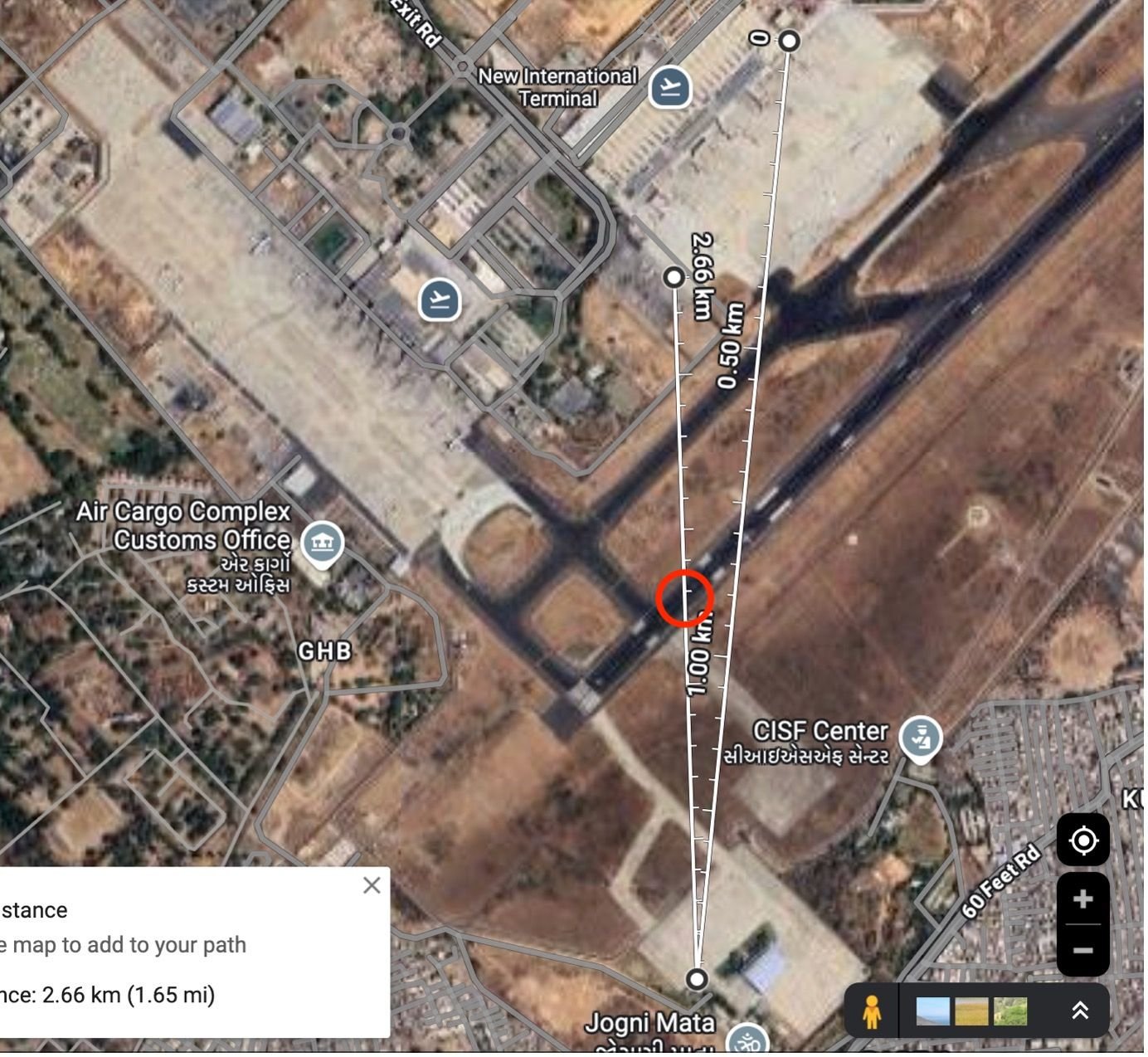
The deemed position of the CCTV camera is only an estimate, based on visual cues. I'm happy to share my workings, should anyone find it useful to cross-reference this with other data they are working on, but I will avoid cluttering up the thread any further until/unless it becomes relevant.
You're looking for the point where the LEFT of the two white lines intersects the runway (ignore the white dots):
1. ADSB readouts - according to FlightRadar24, the last ADSB transmission was at 71ft AGL. Is that significant given the RAT is seen already deployed at 150ft AGL per the estimate above? At 71ft AGL, the wheels are about 40-50ft off the ground, assuming aircraft attitude is unchanged between there and this image. Is that 1 or 2 seconds after rotation? Does this imply electrical issues?
1a. The timings for ADSB transmissions outlined by MrShed are not in sync with the estimates above - people have talked about a time shift in this thread. I do believe ADSB timestamps are by the receiving station.
2. The preliminary report timings from the EAFR for E2 fuel cutoff switch RUN -> CUTOFF to the RAT supplying hydraulic power disagree with the lower end of the 4-7s estimate above, and are only consistent if this picture was taken 6-7 seconds after rotation, in my opinion, because of the time (4-5s) it would take to cut off the fuel to E2, spool down to where the VFSGs stop providing AC power, and RAT deployment.
3. The Preliminary Report mentions that the RAT deployed "immediately after" lift-off. Again, I have to wonder, why didn't they provide the RAT deployment timestamp, even relative to rotation? If this is in fact the case, does this imply electrical issues, in line with the last ADSB altitude reading?
FR24 article https://www.flightradar24.com/blog/f...rom-ahmedabad/
Note that the good folks at FR24 did not apply temperature correction to the barometric altitude (they corrected for air pressure and runway elevation); pilots on pprune have done the corrections themselves and arrived at slightly different values, so take those altitude numbers with a grain of salt. Note also that the 787 sends altitude in 25 ft. increments, and I don't know how these are rounded (up, down, nearest).
We do not know how long the RAT has been deployed in this photo, we only know it can't have been deployed later. I have learned on this thread that the CUTOFF switch will also cause the VFSGs to disconnect, i.e. the B787 systems will electrically isolate the engine from the power buses before it has spooled down. With a dual failure, this would leave the main buses unpowered in short order, so if all of this is correct, the RAT would have clonked into place very soon after the second engine was cut off. This would not depend on the turbine speed.
I personally do not know what items are logged on the flight recorder, but I imagine RAT deployment was not among them. If so, the conditions for its deployment would be logged, but it requires an analytical step to conclude it did, and a preliminary report typically has no analysis at all. Hydraulic pressure to the flight controls is likely logged, so the RAT delivering hydraulic power would be a matter of record.
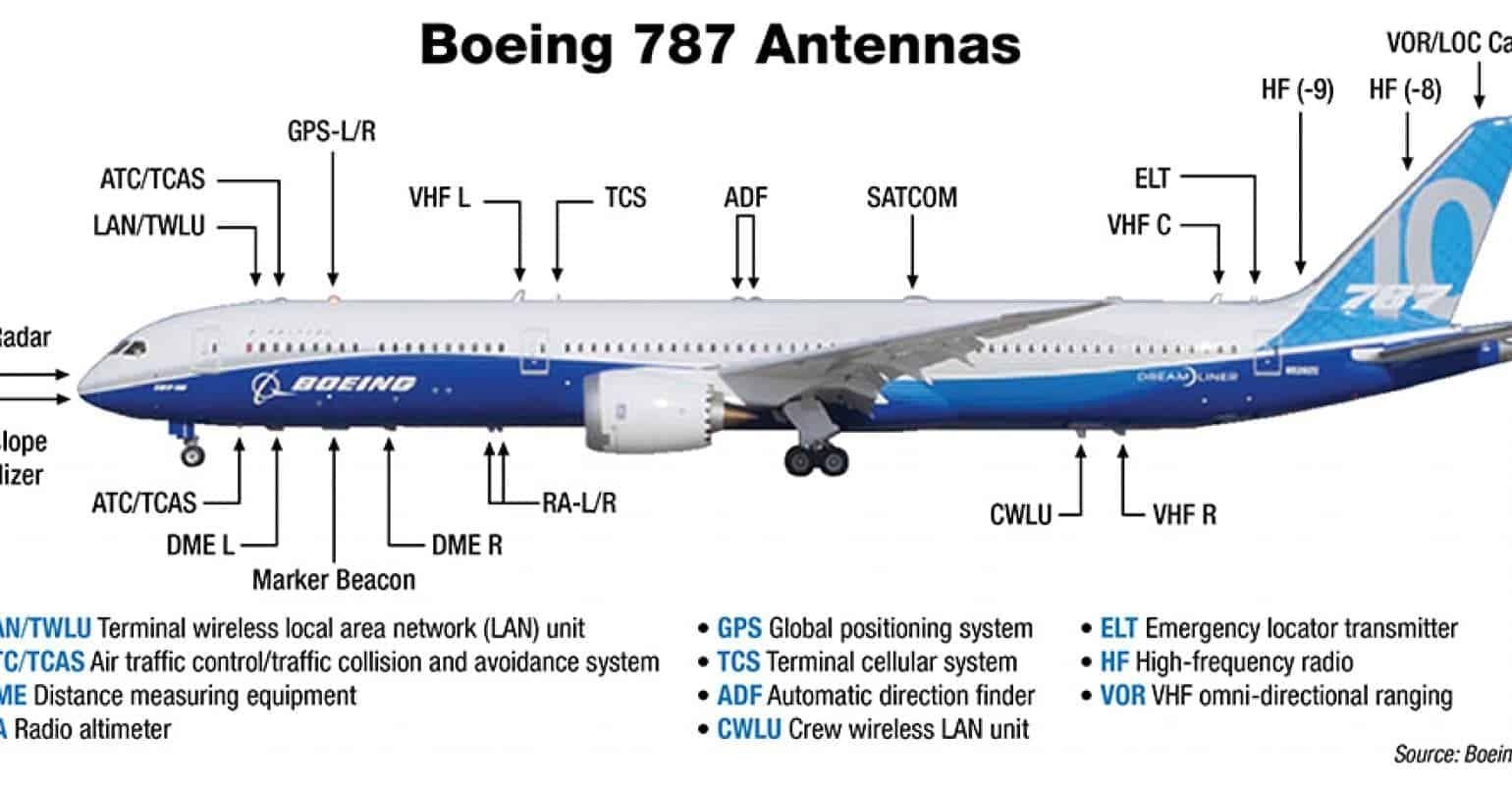
Where is the RadAlt antenna on a 787? Is it in the nose, or further back between the main gears?
Last edited by Musician; 16th July 2025 at 05:02 .
Subjects
ADSB
CCTV
DFDR
EAFR
FlightRadar24
Fuel (All)
Fuel Cutoff
Fuel Cutoff Switches
Hydraulic Failure (All)
Preliminary Report
RAT (All)
RAT (Deployment)
RUN/CUTOFF
Links are to this post in the relevant subject page so that this post can be seen in context.
Reply to this quoting this original post. You need to be logged in. Not available on closed threads.
July 16, 2025, 06:00:00 GMT
permalink Post: 11923427
Subjects: None
3 recorded likes for this post.Reply to this quoting this original post. You need to be logged in. Not available on closed threads.
July 16, 2025, 06:27:00 GMT
permalink Post: 11923433
The idea is that in appruser 's image, the altitude depends on where the altimeter is, plus how much it rotates up: the barometric altimeter would be in or near the nose?
But obviously, the altimeter should read 0 on the ground when at QFE, so it's adjusted for its height above the ground when the wheels are all down on the ground.
As shown in your diagram, the GPS antenna is a few feet aft of the cockpit. I don't know whether that position is adjusted before it gets sent out.
Apologies if this post seems a little pointless, but when we're looking at altitudes accurate to within a few feet, we ought to be aware where that is when the aircraft is pitched up.
Subjects: None
No recorded likes for this post (could be before pprune supported 'likes').Reply to this quoting this original post. You need to be logged in. Not available on closed threads.
July 16, 2025, 13:40:00 GMT
permalink Post: 11923708
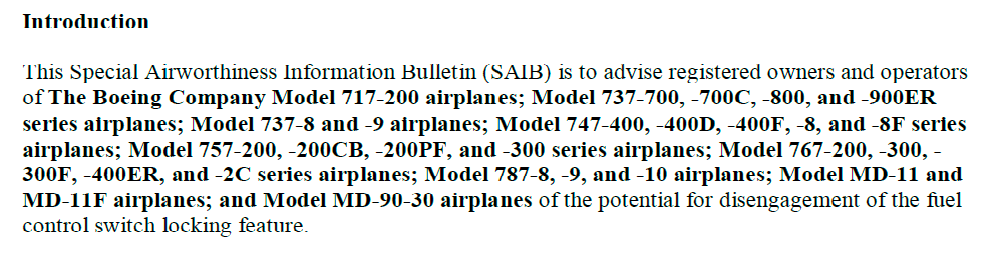
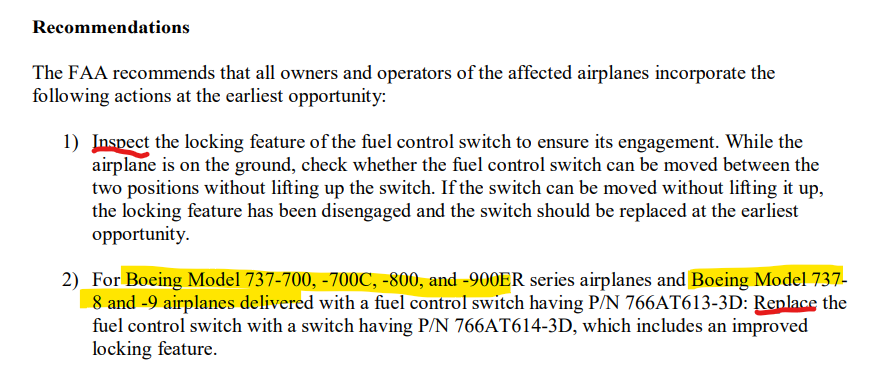
It is here. https://feitoffake.wordpress.com/202...787-explained/
Subjects
FAA
Special Airworthiness Information Bulletin
Links are to this post in the relevant subject page so that this post can be seen in context.
Reply to this quoting this original post. You need to be logged in. Not available on closed threads.
July 16, 2025, 13:53:00 GMT
permalink Post: 11923721
It is here. https://feitoffake.wordpress.com/202...787-explained/
It calls for the switches on any of the types mentioned to be replaced if found defective, and for the older type of switches on the 737 to be replaced whether defective or not.
Subjects
FAA
Special Airworthiness Information Bulletin
Links are to this post in the relevant subject page so that this post can be seen in context.
Reply to this quoting this original post. You need to be logged in. Not available on closed threads.
July 16, 2025, 14:57:00 GMT
permalink Post: 11923742
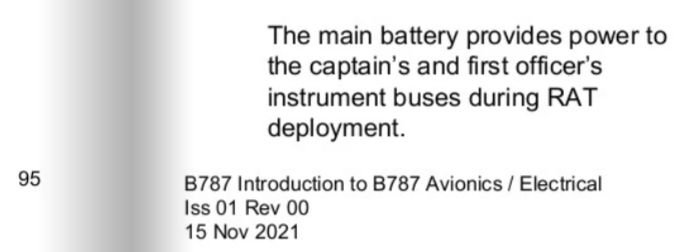
https://fliphtml5.com/quwam/qhdw/Boo...cs_Electrical/ (page 96)
I don't know if the transponder is on the captain's instrument bus, but if so, it would have power from the main battery while the RAT is being deployed.
We are definitely seeing the loss of thrust in the ADS-B data.
Subjects
ADSB
Fuel (All)
Fuel Cutoff Switches
RAT (All)
RAT (Deployment)
Links are to this post in the relevant subject page so that this post can be seen in context.
Reply to this quoting this original post. You need to be logged in. Not available on closed threads.
July 16, 2025, 18:49:00 GMT
permalink Post: 11923888
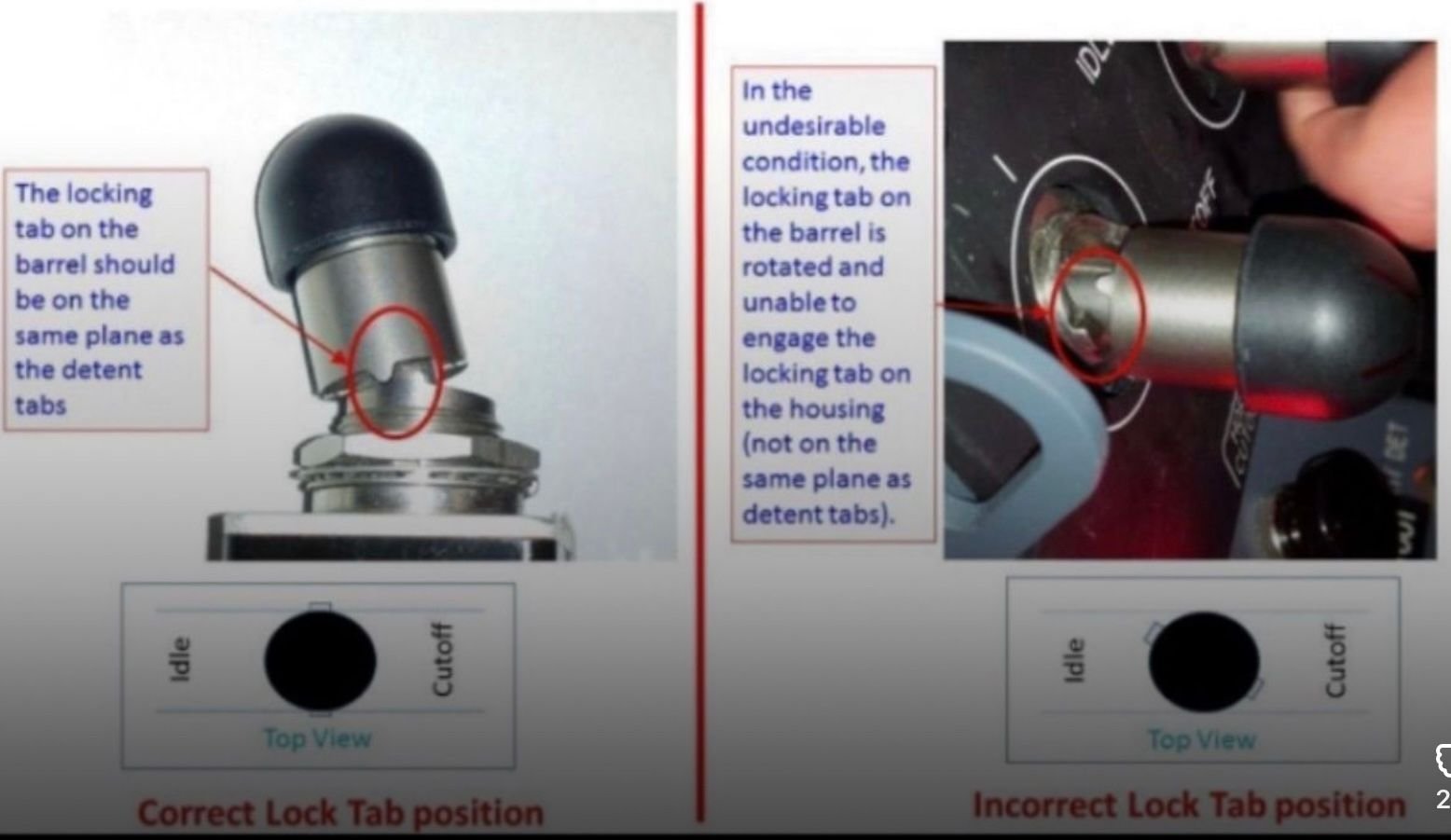
The spring function is still active, but due to the displaced locking ring, the tab does not engage with the detent.
The two conditions for the switch remain unaltered - Cutoff / Run, but the Run position is not gated, held in position.
Edit; "Can these switches be carelessly set in the on position but not fully locked? I am thinking whether it is possible for the switches to be electrically on, but not mechanically locked."
Yes
Subjects
Fuel (All)
Fuel Cutoff Switches
Fuel Cutoff Switches (detent)
Links are to this post in the relevant subject page so that this post can be seen in context.
Reply to this quoting this original post. You need to be logged in. Not available on closed threads.
July 16, 2025, 18:54:00 GMT
permalink Post: 11923891
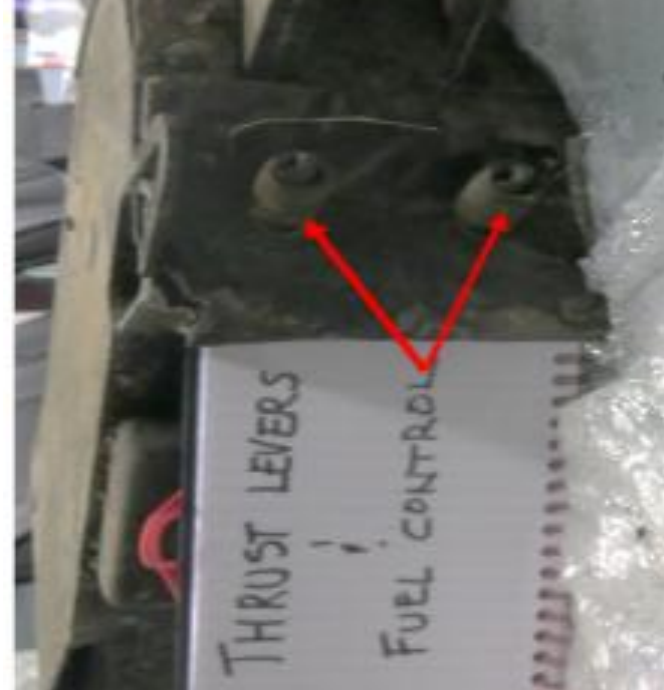
The bottom section of either switch can be clearly seen in this post accident photograph. There is nothing visible where your theory would require a well visible detent.
Subjects
Fuel (All)
Fuel Cutoff Switches
Fuel Cutoff Switches (detent)
Links are to this post in the relevant subject page so that this post can be seen in context.
Reply to this quoting this original post. You need to be logged in. Not available on closed threads.
July 17, 2025, 14:08:00 GMT
permalink Post: 11924395
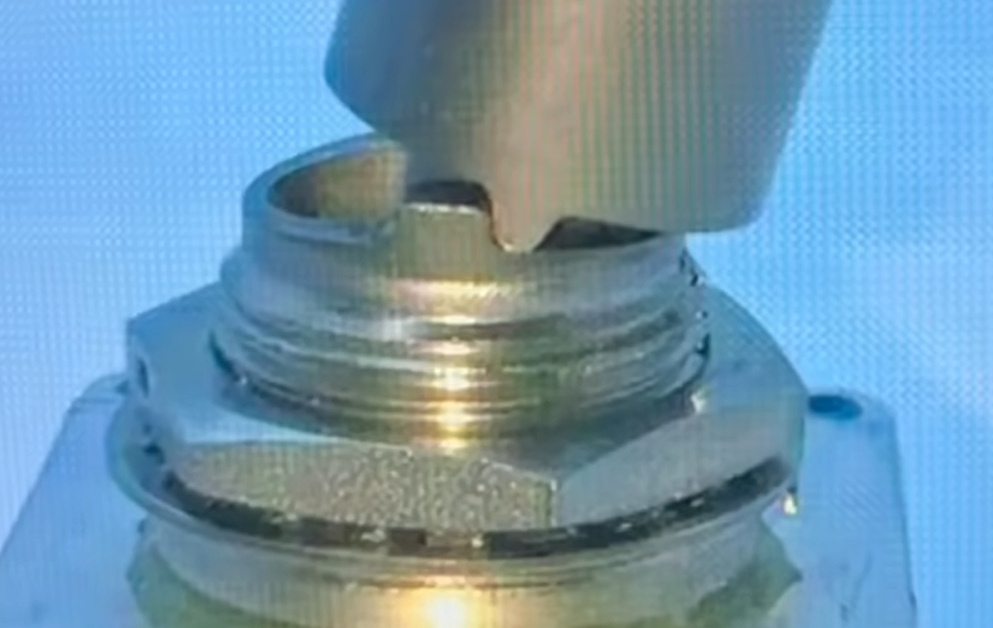
The mechanical interference between the fixed (lower) and moving (upper) parts of the switch depends on the spring force forcing the two parts to mesh:
Subjects: None
6 recorded likes for this post.Reply to this quoting this original post. You need to be logged in. Not available on closed threads.
July 17, 2025, 15:35:00 GMT
permalink Post: 11924443
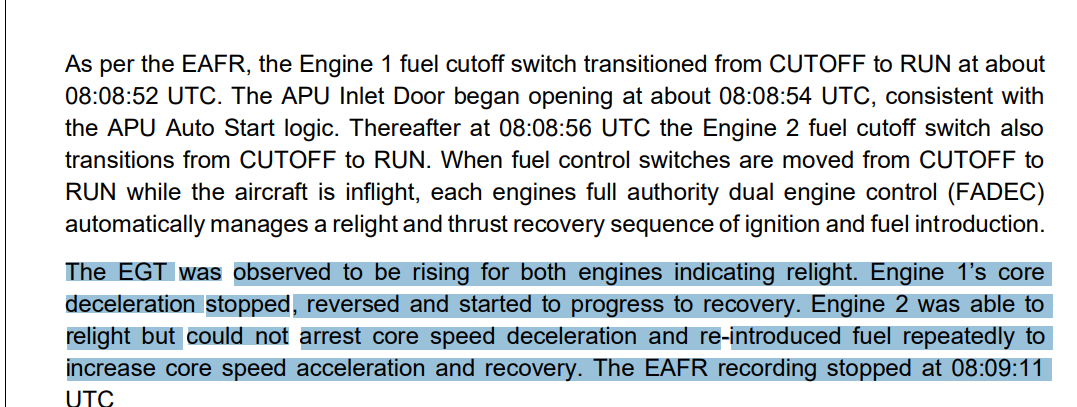
"The EGT was observed to be rising for both engines indicating relight. Engine 1\x92s core deceleration stopped, reversed and started to progress to recovery. Engine 2 was able to relight but could not arrest core speed deceleration and re-introduced fuel repeatedly to increase core speed acceleration and recovery . The EAFR recording stopped at 08:09:11"
Forgive my now 20 years into retirement as an F/O on the B737 400 and A320/21 but I still retain my lifelong avid interest in all things aviation. So am I correct in thinking this paragraph indicates significantly that eng2, right hand, core compressor had failed, albeit not explosively? It relit and fuel was being "re-introduced repeatedly "but could not arrest core speed deceleration". From day one I believed that no 2 failed after V1 and that the automatic correction for this on the 787 hid all but a possibly apparent small nose right on its climb out. Additionally I surmised that with all the warnings this produced, the low altitude and few seconds to address such a failure, the first recycle was offered up to the no 1 engine switch, in haste. The immediate result then RAT extension, a check on the engine parameters and an action on the no 2 switch, again in haste on realisation that was down on N2, then, sadly too late, No 1 recycled successfully. Unlike No 2. Heaven knows, a similar mistake was made on the Kegworth B737, when all he time in the world was available compared to AI171.
To me the long debate here about suicide is very unprofessional and surely this factual part of the report, has masses more credence, regardless of the consequences facing the AI crew.
If this bit about No 2 engine report is as I interpret, I would at least hope, if not already, someone else has picked it up, or at least it will get more attention ere long. God bless all the people so badly affected and I pray the cause will be one day revealed and not be buried to protect the money men. Has been known.
Subjects
AI171
EAFR
Parameters
Preliminary Report
RAT (All)
Relight
V1
Links are to this post in the relevant subject page so that this post can be seen in context.
Reply to this quoting this original post. You need to be logged in. Not available on closed threads.
July 17, 2025, 19:24:00 GMT
permalink Post: 11924559
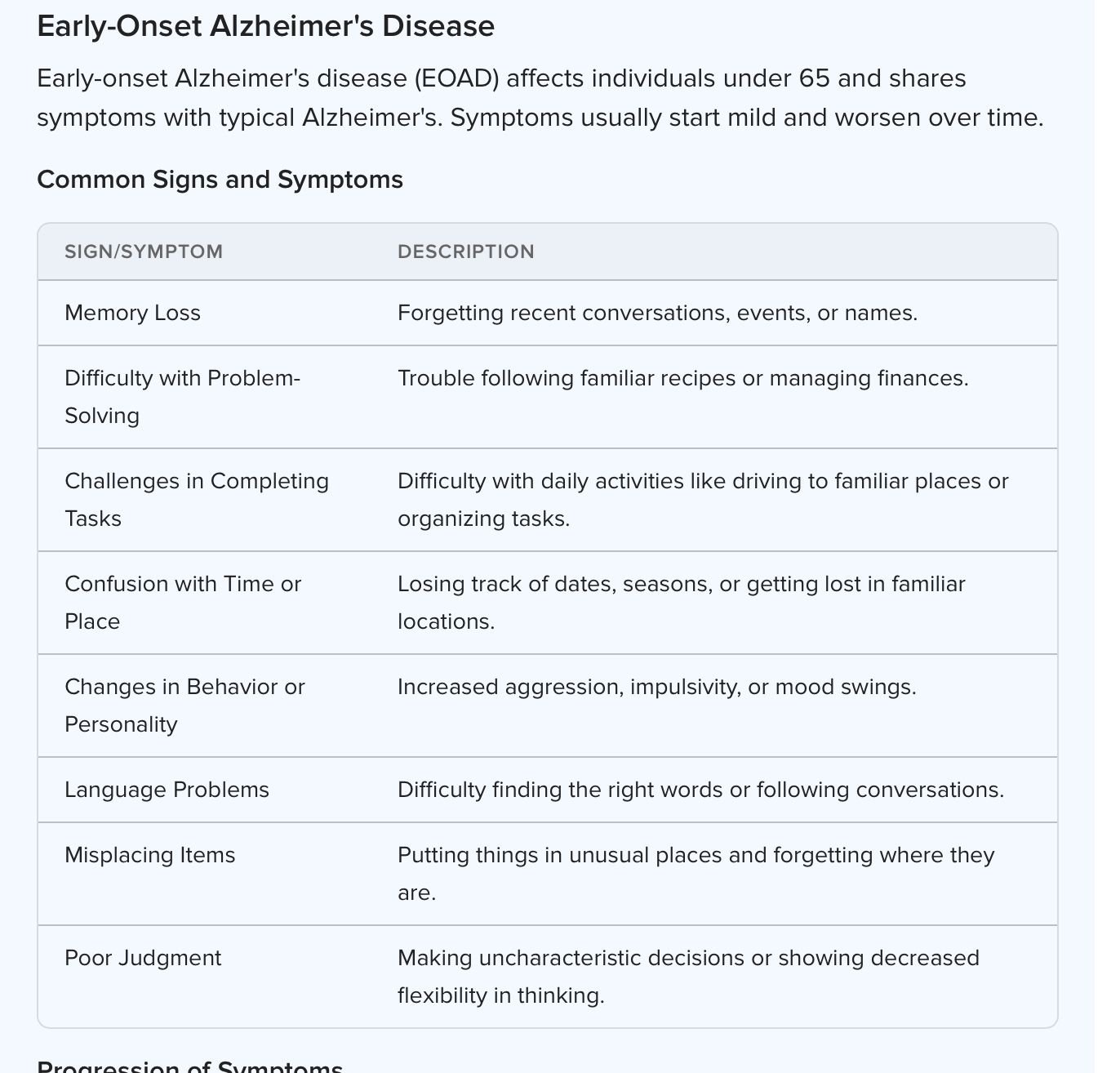
I think that we will get answers only after a deep dive into both pilots backgrounds and life. As much as this may seem on the surface like a suicide, consider the “Brain fart” theory, or, as I mentioned in an earlier post, a possible early onset Alzheimer’s condition which can cause confusion and irrational actions. I’ve seen this confusion in the sim and I dismissed his erratic actions as incompetence. Only after a thorough investigation into the pilot’s lives, and interviews with friends and families will we get a clearer picture to ascertain the possibility of intentional suicide, brain fart, or early mental impairment. I think the answers will be found there versus design issues with the 787.
Last edited by Chiefttp; 17th July 2025 at 19:37 .
Subjects
Action slip
Links are to this post in the relevant subject page so that this post can be seen in context.
Reply to this quoting this original post. You need to be logged in. Not available on closed threads.
July 17, 2025, 20:26:00 GMT
permalink Post: 11924596
AI171 took off in a broadly South Westerly direction and came down about 500m from the Civil Hospital (Red Marker in the image below)
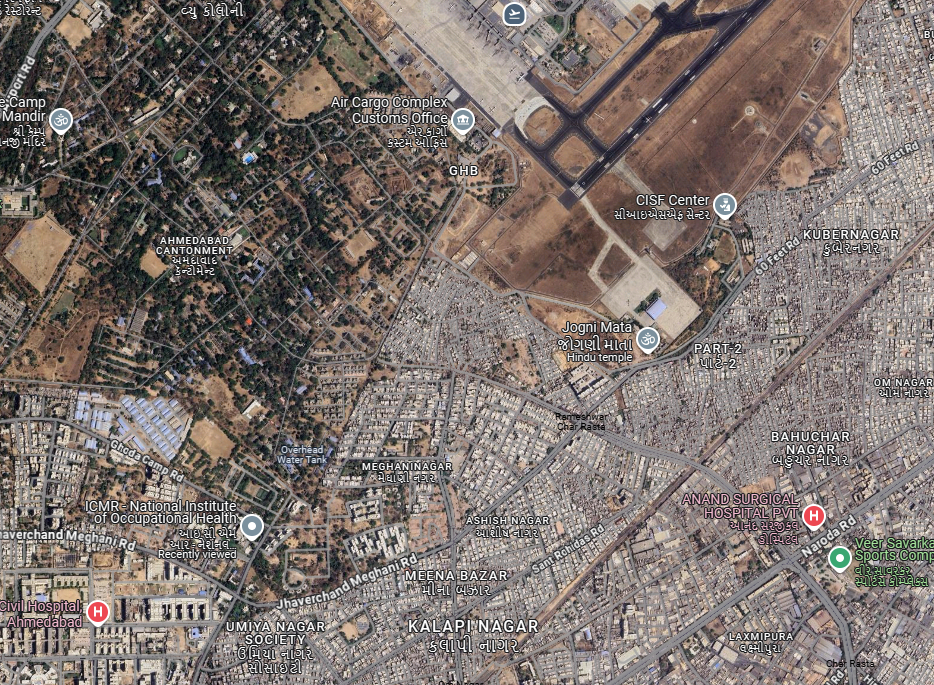
I really don't see any good options. And the river is still 2km distant (and in any case at right angles to the direction of flight).
Subjects
AI171
Links are to this post in the relevant subject page so that this post can be seen in context.
Reply to this quoting this original post. You need to be logged in. Not available on closed threads.
July 17, 2025, 20:46:00 GMT
permalink Post: 11924613
I think that we will get answers only after a deep dive into both pilots backgrounds and life. As much as this may seem on the surface like a suicide, consider the \x93Brain fart\x94 theory, or, as I mentioned in an earlier post, a possible early onset Alzheimer\x92s condition which can cause confusion and irrational actions. I\x92ve seen this confusion in the sim and I dismissed his erratic actions as incompetence. Only after a thorough investigation into the pilot\x92s lives, and interviews with friends and families will we get a clearer picture to ascertain the possibility of intentional suicide, brain fart, or early mental impairment. I think the answers will be found there versus design issues with the 787.
Subjects
Action slip
Links are to this post in the relevant subject page so that this post can be seen in context.
Reply to this quoting this original post. You need to be logged in. Not available on closed threads.
July 17, 2025, 21:44:00 GMT
permalink Post: 11924651
I think that we will get answers only after a deep dive into both pilots backgrounds and life. As much as this may seem on the surface like a suicide, consider the \x93Brain fart\x94 theory, or, as I mentioned in an earlier post, a possible early onset Alzheimer\x92s condition which can cause confusion and irrational actions. I\x92ve seen this confusion in the sim and I dismissed his erratic actions as incompetence. Only after a thorough investigation into the pilot\x92s lives, and interviews with friends and families will we get a clearer picture to ascertain the possibility of intentional suicide, brain fart, or early mental impairment. I think the answers will be found there versus design issues with the 787.
Subjects
Action slip
Links are to this post in the relevant subject page so that this post can be seen in context.
Reply to this quoting this original post. You need to be logged in. Not available on closed threads.
July 17, 2025, 22:02:00 GMT
permalink Post: 11924663
AI171 took off in a broadly South Westerly direction and came down about 500m from the Civil Hospital (Red Marker in the image below)
I really don't see any good options. And the river is still 2km distant (and in any case at right angles to the direction of flight).
Subjects
AI171
Links are to this post in the relevant subject page so that this post can be seen in context.
Reply to this quoting this original post. You need to be logged in. Not available on closed threads.
July 18, 2025, 00:23:00 GMT
permalink Post: 11924758
AI171 took off in a broadly South Westerly direction and came down about 500m from the Civil Hospital (Red Marker in the image below)
I really don't see any good options. And the river is still 2km distant (and in any case at right angles to the direction of flight).
Subjects
AI171
Links are to this post in the relevant subject page so that this post can be seen in context.
Reply to this quoting this original post. You need to be logged in. Not available on closed threads.
July 20, 2025, 19:33:00 GMT
permalink Post: 11925921
The head of the US National Transportation Safety Board (NTSB) has criticised recent news stories about the 12 June crash of an Air India Boeing 787-8, aligning with a statement from India’s Aircraft Accident Investigation Bureau (AAIB).
“Recent media reports on the Air India 171 crash are premature and speculative,” NTSB chair Jennifer Homendy said on 18 July. “India’s Aircraft Accident Investigation Bureau just released its preliminary report. Investigations of this magnitude take time.”
Homendy does not specify which media reports she takes issue with.
In recent days, The Wall Street Journal and Reuters, citing unnamed sources familiar with US officials’ assessment of evidence, reported that audio from the crashed jet’s cockpit voice recorder indicates the captain had moved the fuel control switches to the “CUTOFF” position. The reports said that the first officer was the pilot who asked why the switches had been moved.
A source who is also familiar with aspects of the investigation confirms that information to FlightGlobal.
Investigators have not released information to support such a scenario.

NTSB chair Jennifer Homendy warns against “speculative” media reports
The 787-8 was operating flight 171 from Ahmedabad to London Gatwick airport. It crashed shortly after taking off, killing 241 of 242 people aboard and 19 people on the ground.
The AAIB’s 11 July preliminary report said that about 3s after taking off, the two cockpit fuel control switches – each controls fuel to one of the jet’s two GE Aerospace GEnx turbofans – were switched to the “CUTOFF” position. The switch for the left-side engine moved first, with the right-side switch moving within about 1s.
The turbofans then lost thrust. One of the two pilots – the report did not specify which – asked the other why he moved the switch; the other then denied doing so.
Starting 10s after the switches were set to “CUTOFF”, both were switched back to “RUN”, causing the turbofans to begin restarting, but not in time to prevent the jet from crashing.
The 787’s flight data recorder noted the moment the actual physical switch moved to the “CUTOFF” position and then when it moved back to the “RUN” position, a source tells FlightGlobal. Those moments were plotted on a graph showing engine thrust falling off after the switches were moved to “CUTOFF”, and then returning after they were moved to “RUN”.
Because that data reflects the physical movement of the switch, a loss of fuel caused by another problem elsewhere in the 787’s electrical system is unlikely, the source says.
The Federal Aviation Administration on 11 July issued a Continued Airworthiness Notification to the International Community (CANIC) saying that the AAIB’s “investigation to date has found no urgent safety concerns related to the engines or airplane systems of the Boeing Model 787-8”.
On 17 July, the AAIB issued an “Appeal”, saying, “It has come to our attention that certain sections of the international media are repeatedly attempting to draw conclusions through selective and unverified reporting”.
“Such actions are irresponsible… We urge both the public and the media to refrain from spreading premature narratives that risk undermining the integrity of the investigative process,” it adds. “The AAIB appeals to all concerned to await publication of the final investigation report.”
Citing that document, the NTSB’s Homendy said on 18 July, “We fully support the AAIB’s public appeal… and will continue to support its ongoing investigation”.
The AAIB’s preliminary report also notes that the FAA issued a Special Airworthiness Information Bulletin in December 2018 about a “locking feature” within fuel control switches on several Boeing models, including 787s. The locking feature is a safety device that requires the switches be lifted before being transitioned. It involves raised nubs that the switch must transition over.
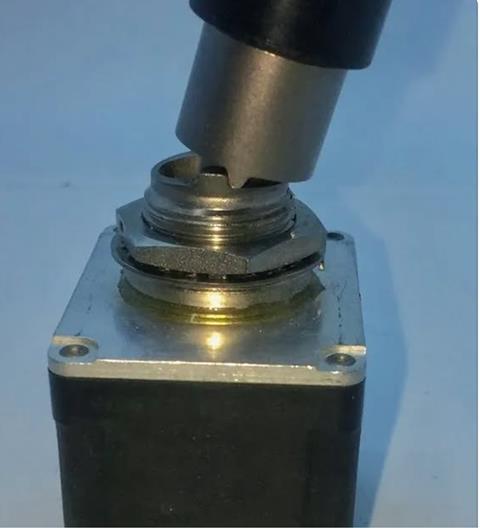
A fuel control switch similar to that found on Boeing 787s, showing that the switch must transition over raised bumps
That 2018 bulletin warned about potential “disengagement” of the locking feature, which could allow the switches to “be moved between the two positions without lifting”, potentially causing “inadvertent” engine shutdown.
Though the FAA recommended inspections, its bulletin concluded that issue was “not an unsafe condition that would warrant airworthiness directive”.
The FAA reiterated that position in its 11 July CANIC, saying the fuel control switch design does not pose “an unsafe condition”.
Though the AAIB’s report cited the issue, it drew no link between it and the crash
Subjects
AAIB (All)
Engine Failure (All)
Engine Shutdown
FAA
Fuel (All)
Fuel Cutoff Switches
GEnx (ALL)
NTSB
Preliminary Report
Special Airworthiness Information Bulletin
Wall Street Journal
Links are to this post in the relevant subject page so that this post can be seen in context.
Reply to this quoting this original post. You need to be logged in. Not available on closed threads.