June 29, 2025, 14:48:00 GMT
permalink Post: 11913045
In a pedantic sense: if you make control inputs, and the aircraft won't or can't respond to them, you are in out of control flight .

computed bearings from ADS-B positions
Given the ADS-B height figures are reported to have a granularity of 25' it's compatible with the video to assume a height around 90' at the last ADS-B data point. A simple ballistic calculation - speed 88m/s (171kt), 11degrees, 30m height, results in a maximum height of 145' - given the impact of aerodynamics the observed height in the video isn't in dramatic disagreement - ie it's possible nothing interrupted the flight path after rotation.
Given the clearer land 100' to the left of the flight line the "in out of controlled flight" is sadly very feasible.
Subjects
ADSB
Links are to this post in the relevant subject page so that this post can be seen in context.
The thread is closed so there are no user likes are available and no reply is possible.
June 29, 2025, 19:16:00 GMT
permalink Post: 11913160
To put this to rest as well - here is the Lithium battery thermal protection for what is arguably the most modern (non-Boeing) airliner out there: the Airbus A350 series.
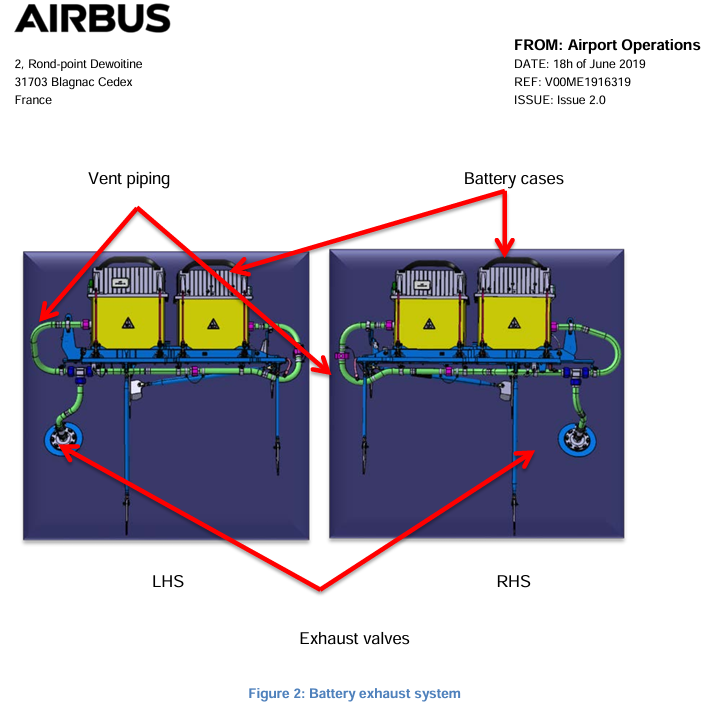
Source: https://aircraft.airbus.com/sites/g/...irefighter.pdf
Subjects: None
The thread is closed so there are no user likes are available and no reply is possible.
June 30, 2025, 04:42:00 GMT
permalink Post: 11913342
That's a pretty big "if" but here's the patent drawing:

Subjects
Fuel (All)
Fuel Cutoff
Fuel Cutoff Switches
Links are to this post in the relevant subject page so that this post can be seen in context.
The thread is closed so there are no user likes are available and no reply is possible.
July 01, 2025, 03:09:00 GMT
permalink Post: 11913983

Subjects
RAT (All)
RAT (Deployment)
Links are to this post in the relevant subject page so that this post can be seen in context.
The thread is closed so there are no user likes are available and no reply is possible.
July 01, 2025, 04:50:00 GMT
permalink Post: 11914009
\xa7 25.953 Fuel system independence.
Each fuel system must meet the requirements of \xa7 25.903(b) ( (b) Engine isolation. The powerplants must be arranged and isolated from each other to allow operation, in at least one configuration, so that the failure or malfunction of any engine, or of any system that can affect the engine, will not— (1) Prevent the continued safe operation of the remaining engines; or(2) Require immediate action by any crewmember for continued safe operation )
by—
(a) Allowing the supply of fuel to each engine through a system independent of each part of the system supplying fuel to any other engine; or
(b) Any other acceptable method
That is, during these periods each engine must be supplied with fuel from a separate tank, you don't want all engines being supplied by the same tank and run the risk of losing all engines due to contamination in that one tank.
Switch over to the centre tank to feed all engines typically takes place at 10,000'

Subjects
Centre Tank
Fuel (All)
Links are to this post in the relevant subject page so that this post can be seen in context.
The thread is closed so there are no user likes are available and no reply is possible.
July 01, 2025, 05:06:00 GMT
permalink Post: 11914010

Subjects
Centre Tank
FCOM
Links are to this post in the relevant subject page so that this post can be seen in context.
The thread is closed so there are no user likes are available and no reply is possible.
July 01, 2025, 06:56:00 GMT
permalink Post: 11914025
1) I had seen the "50 feet below runway" referenced as well, and double-checked on Google Earth, and could not confirm this. The terrain looks reasonably level. I'd be happy to see evidence for this claim, but until I do, I'll think it's false.
2) The maximum L/D is given for optimal speed, which remains constant throughout the glide. In the AI171 case, drag is balanced not just by loss of altitude (as it is in the optimal glide), but also by loss of speed. The speed decline provides energy, and I suspect that makes up the shortfall you assign to thrust.
Note that kinetic energy is proportional to v\xb2, i.e. a speed loss of 50 knots from 180 to 130 vs 50 to 0 provides 15500 vs 2500 units of energy, i.e. 6 times as much. If you hypothetically hurl a unpowered aircraft into the sky with a catapult (and if there was no drag), hurling it at 180 knots makes it go 6 times as high by the time its speed decays to 130 knots than it could ever go if you hurled it at 50 knots. Of course there's drag in reality, and that also varies with v\xb2, so this is a very theoretical consideration intended to calibrate your expectations.
I remember that someone used some kind of tool to confirm that the aircraft could've gone unpowered for as long as we assume it did, but of course I can't find it again now. :-(
Subjects
AI171
RAT (All)
RAT (Deployment)
Links are to this post in the relevant subject page so that this post can be seen in context.
The thread is closed so there are no user likes are available and no reply is possible.
July 01, 2025, 10:26:00 GMT
permalink Post: 11914140


Subjects
Centre Tank
FCOM
Links are to this post in the relevant subject page so that this post can be seen in context.
The thread is closed so there are no user likes are available and no reply is possible.
July 01, 2025, 13:06:00 GMT
permalink Post: 11914222
As the aircraft visibly continues to climb past that height (and for a longer period than ADS-B data covers, if the camera's perspective casts doubt on that), it seems rather clear to me that it reached its peak height past the end of the runway.
In light of this I find the fact that people keep calculating a glide from the runway to the crash site to be a bit strange. Wouldn't the first step of any math be to try to determine where it started descending?
Subjects
ADSB
RAT (All)
RAT (Deployment)
Links are to this post in the relevant subject page so that this post can be seen in context.
The thread is closed so there are no user likes are available and no reply is possible.
July 01, 2025, 13:10:00 GMT
permalink Post: 11914226
Subjects
Centre Tank
EICAS
FCOM
Fuel (All)
Links are to this post in the relevant subject page so that this post can be seen in context.
The thread is closed so there are no user likes are available and no reply is possible.
July 09, 2025, 17:26:00 GMT
permalink Post: 11918497
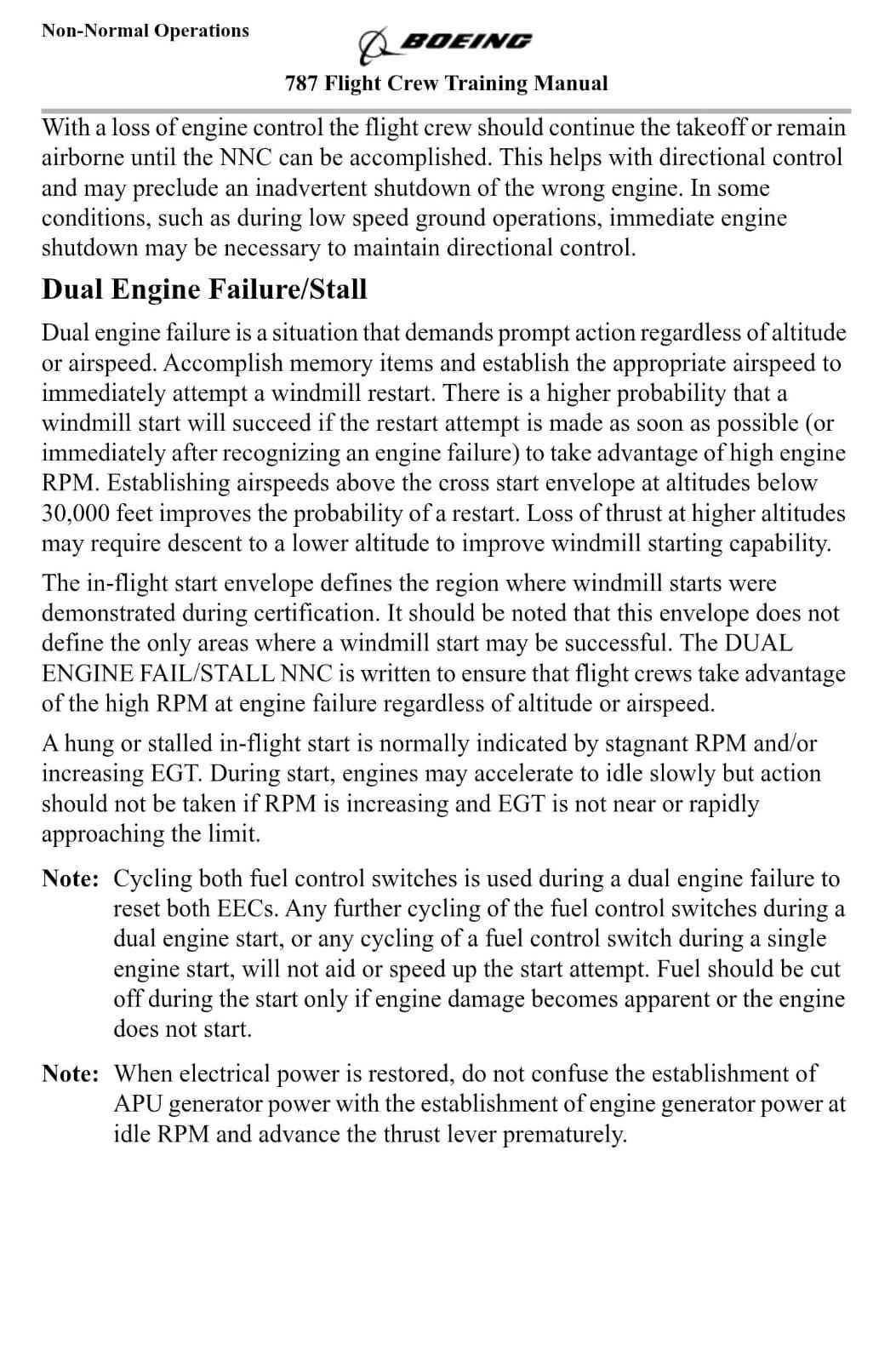
Attached is an image of a page from the Air India 787 Training Manual that discusses this procedure.
I am submitting this without comment or opinion.
Subjects
Dual Engine Failure
Engine Failure (All)
Fuel (All)
Fuel Cutoff Switches
RUN/CUTOFF
Links are to this post in the relevant subject page so that this post can be seen in context.
The thread is closed so there are no user likes are available and no reply is possible.
July 09, 2025, 17:34:00 GMT
permalink Post: 11918504
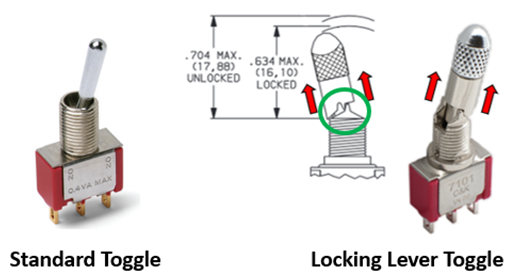
B787 Fuel Control Switches -
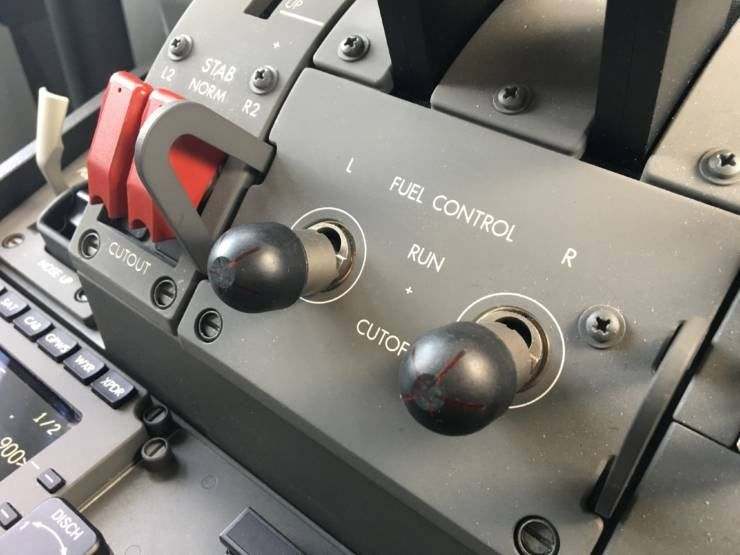
Last edited by PJ2; 9th July 2025 at 17:45 . Reason: Add image of B787 Fuel Control Switches
Subjects
Fuel (All)
Fuel Cutoff Switches
Links are to this post in the relevant subject page so that this post can be seen in context.
The thread is closed so there are no user likes are available and no reply is possible.
July 09, 2025, 20:05:00 GMT
permalink Post: 11918581
Edit: And here it is:
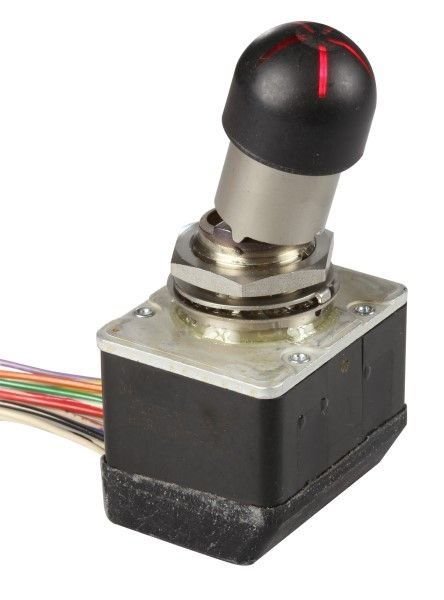
Subjects
Fuel (All)
Fuel Cutoff
Fuel Cutoff Switches
Honeywell
Links are to this post in the relevant subject page so that this post can be seen in context.
The thread is closed so there are no user likes are available and no reply is possible.
July 10, 2025, 00:20:00 GMT
permalink Post: 11918695
Attached is an image of a page from the Air India 787 Training Manual that discusses this procedure.
I am submitting this without comment or opinion.
Subjects
Dual Engine Failure
Engine Failure (All)
Fuel (All)
Fuel Cutoff Switches
RUN/CUTOFF
Relight
V1
Links are to this post in the relevant subject page so that this post can be seen in context.
The thread is closed so there are no user likes are available and no reply is possible.
July 10, 2025, 01:21:00 GMT
permalink Post: 11918716

Obviously, because it's going to require quick action to catch high RPM. And maybe that's what they tried.
Subjects
Dual Engine Failure
Engine Failure (All)
Fuel (All)
Fuel Cutoff Switches
Relight
Links are to this post in the relevant subject page so that this post can be seen in context.
The thread is closed so there are no user likes are available and no reply is possible.
July 10, 2025, 09:26:00 GMT
permalink Post: 11918827
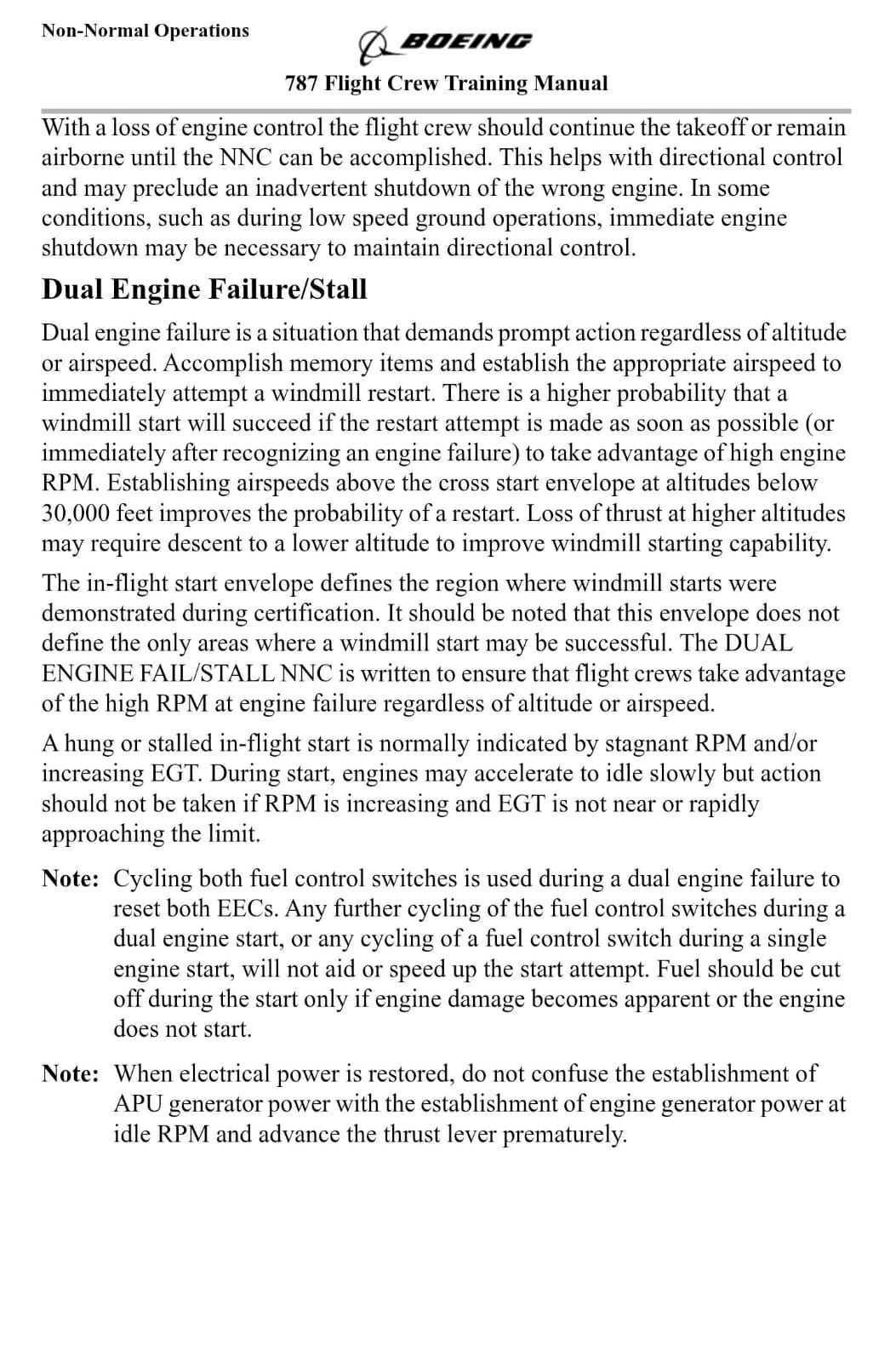
I'm not saying that this happened to this crew but it certainly could happen to someone. People do weird !!!! under high stress. There is an initial "oh !!!!, what's going on" then the training kicks in. Often at super fast rate and the challenge becomes slowing it all down.
The bloody master warning on the Airbus for smoke in the forward Lav used to get me everytime. Was always at night over the ocean too.
Subjects
Dual Engine Failure
Engine Failure (All)
Fuel (All)
Fuel Cutoff
Fuel Cutoff Switches
Memory Items
Links are to this post in the relevant subject page so that this post can be seen in context.
The thread is closed so there are no user likes are available and no reply is possible.
July 10, 2025, 12:14:00 GMT
permalink Post: 11918946
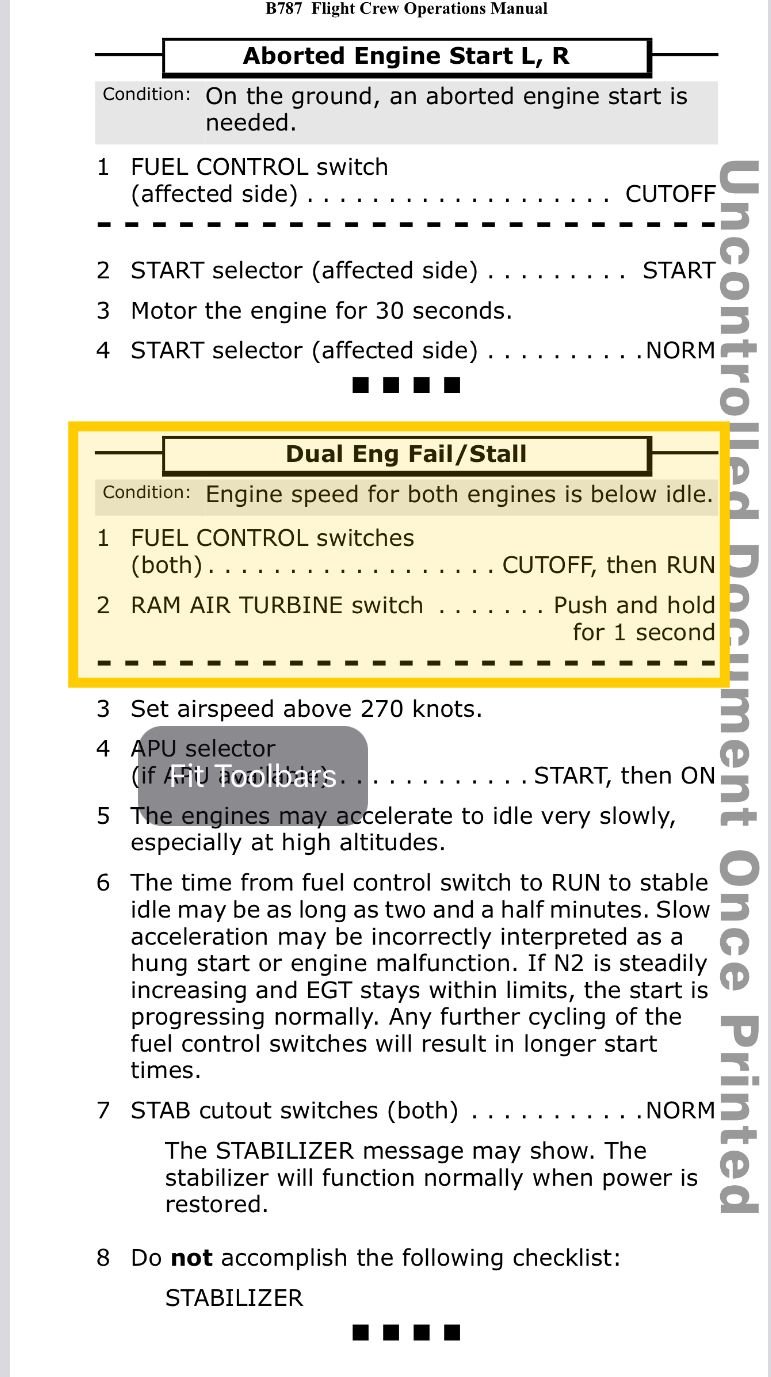
Condition: Engine speed for both engines is below idle
Fuel Control Switches (both) \x85 CUTOFF then RUN
RAM AIR TURBINE switch \x85 Push and hold for1 second
Subjects
Fuel (All)
Fuel Cutoff Switches
Memory Items
RUN/CUTOFF
Links are to this post in the relevant subject page so that this post can be seen in context.
The thread is closed so there are no user likes are available and no reply is possible.
July 10, 2025, 12:58:00 GMT
permalink Post: 11918976
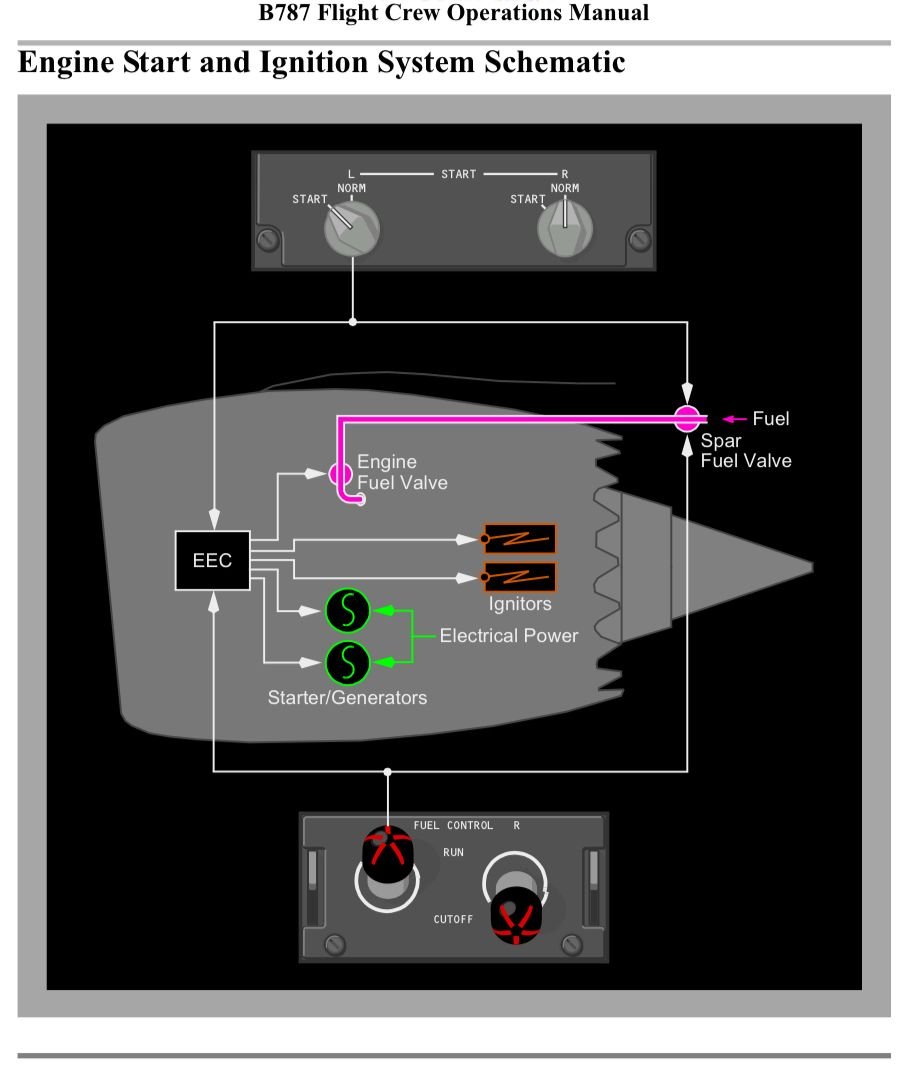
The above checklist procedure implies throttle lever angle and cutoff switches are independant for resetting FADECs.
If so, is it time for this convention from the days where throttles and cutoffs were mechanical systems, not resolvers and switches, to end?
Risk vs reward? Requires more coordination between PF and PM in cases where cutoff is not desired by PF- keep throttle/s up, cannot be surprised by a fuel cutoff.
Subjects
Fuel (All)
Fuel Cutoff
Fuel Cutoff Switches
Spar Valves
Links are to this post in the relevant subject page so that this post can be seen in context.
The thread is closed so there are no user likes are available and no reply is possible.
July 10, 2025, 14:58:00 GMT
permalink Post: 11919040
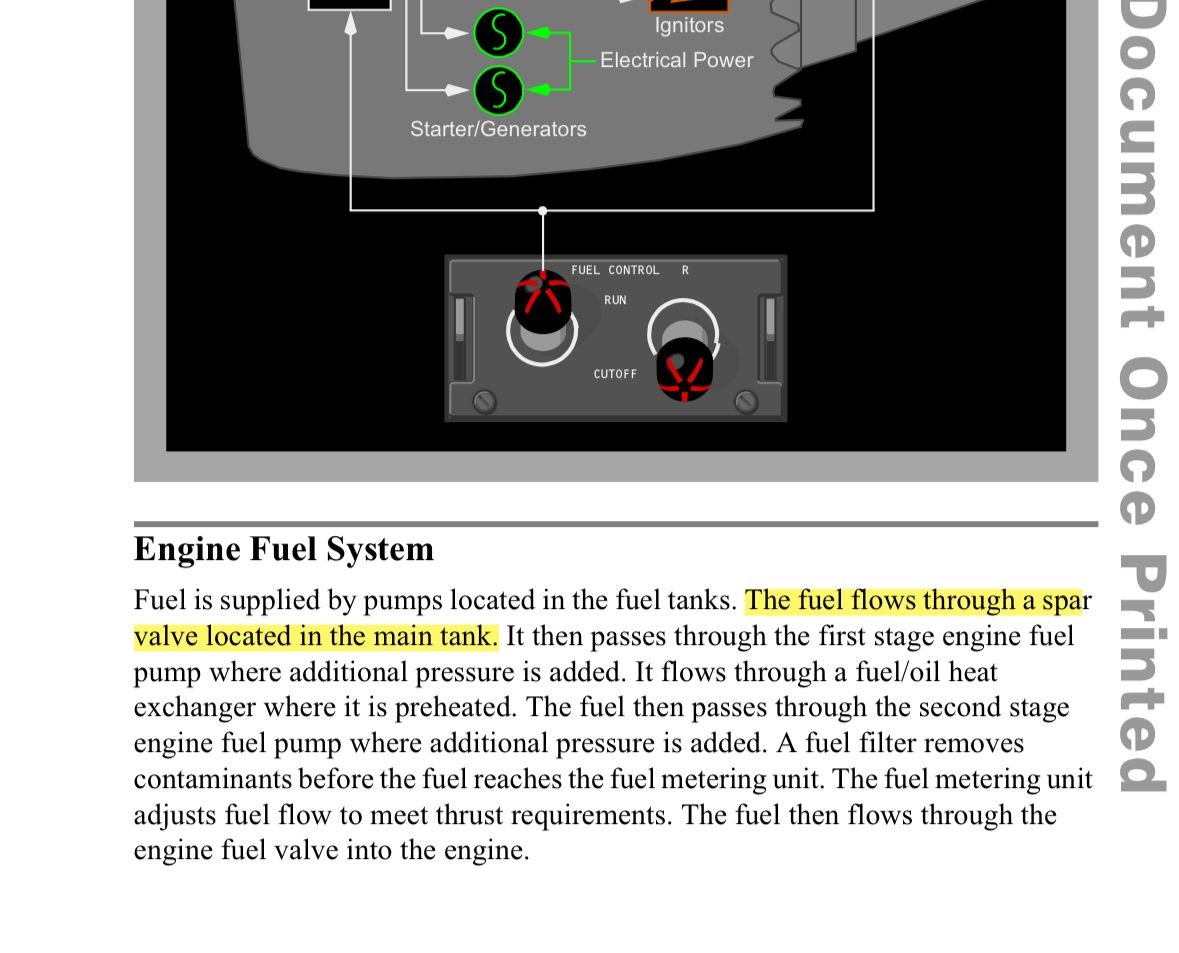
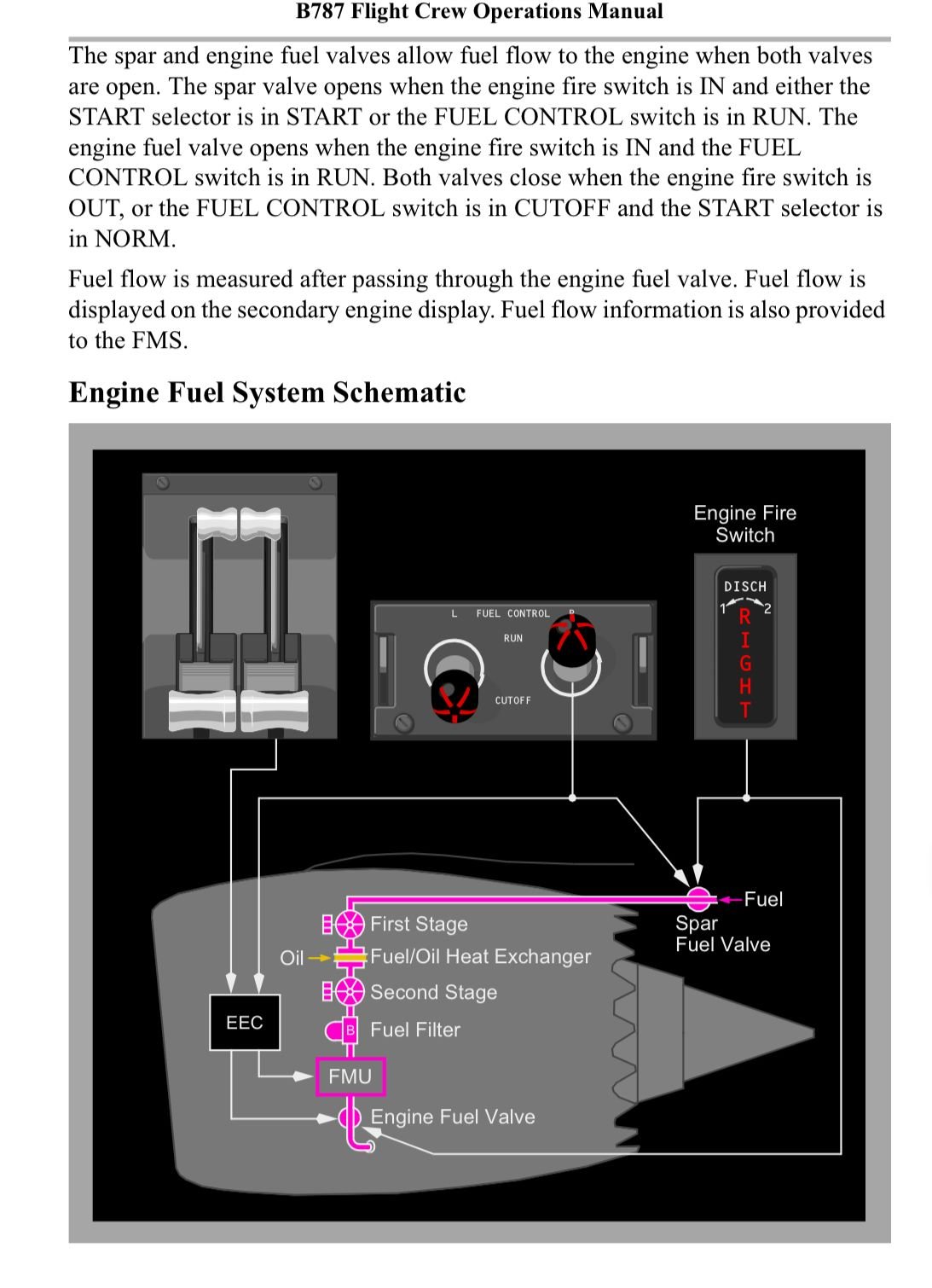
Subjects
Fuel (All)
Fuel Cutoff Switches
Spar Valves
Links are to this post in the relevant subject page so that this post can be seen in context.
The thread is closed so there are no user likes are available and no reply is possible.
July 11, 2025, 21:56:00 GMT
permalink Post: 11919785
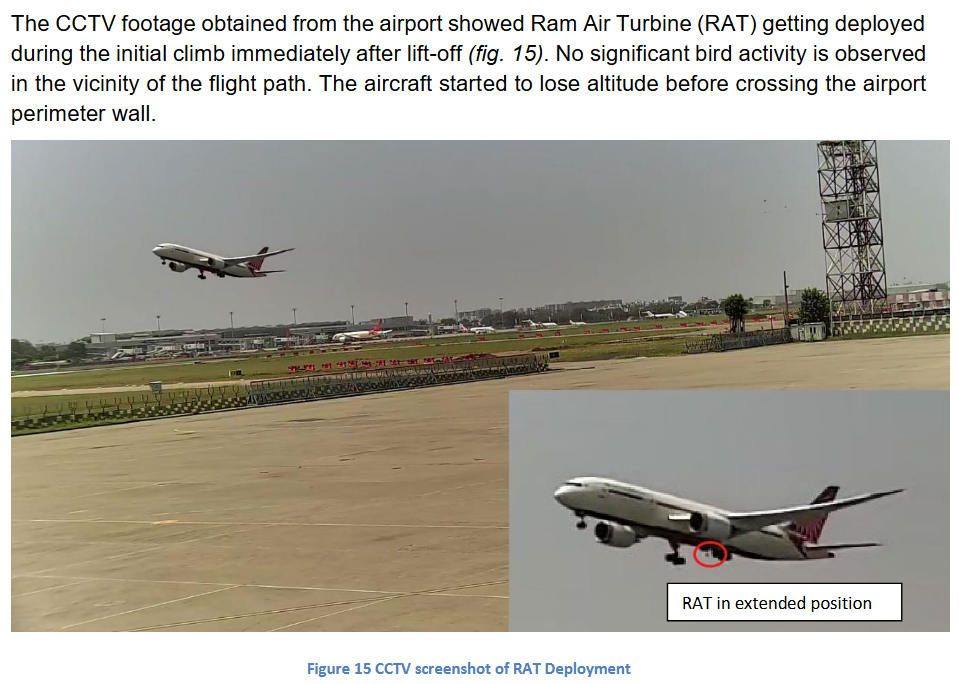
Subjects
RAT (All)
Links are to this post in the relevant subject page so that this post can be seen in context.
Reply to this quoting this original post. You need to be logged in. Not available on closed threads.