July 13, 2025, 03:23:00 GMT
permalink Post: 11920989

Remind me which airline industry made this famous?
Im not discounting any theory, no matter how crazy it seems.
Subjects: None
6 recorded likes for this post.Reply to this quoting this original post. You need to be logged in. Not available on closed threads.
July 13, 2025, 03:34:00 GMT
permalink Post: 11920992
Google is your friend.
The glareshield is angled steeply towards the windshield. Anything left there can roll almost out of reach\x85.towards the windshield.
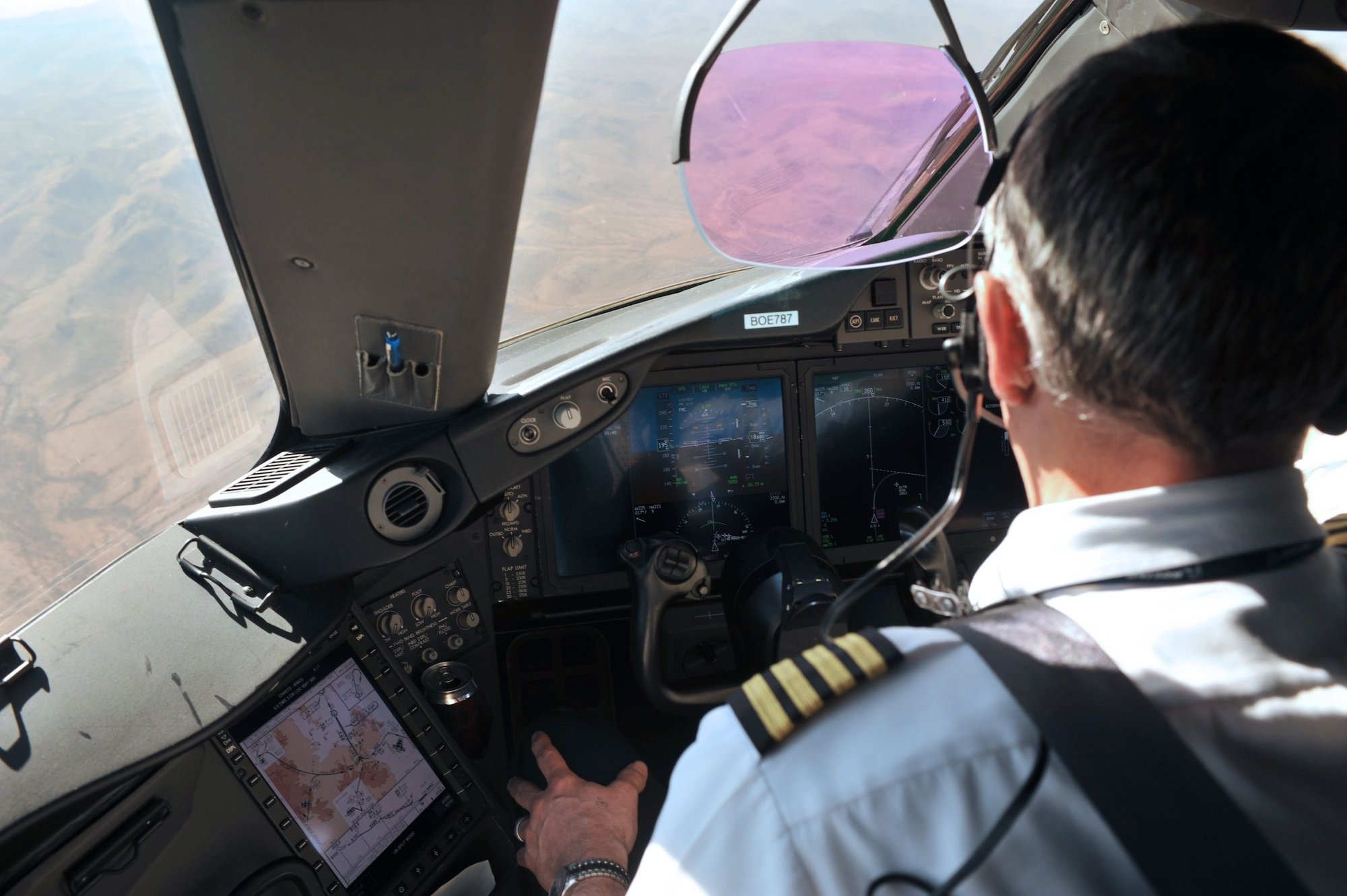
Yes but what if? NO
Have a look at a crew taking off in a 787.
Handpositions and callouts are (almost) universal in this industry.
https://m.youtube.com/watch?v=4e5JTchiajA&pp=ygUaQm9laW5nIDc4NyBjb2NrcGl0IHRha2VvZ mbSBwkJ2AkBhyohjO8%3D
Last edited by B2N2; 13th July 2025 at 03:45 .
Subjects: None
2 recorded likes for this post.Reply to this quoting this original post. You need to be logged in. Not available on closed threads.
July 13, 2025, 11:13:00 GMT
permalink Post: 11921202
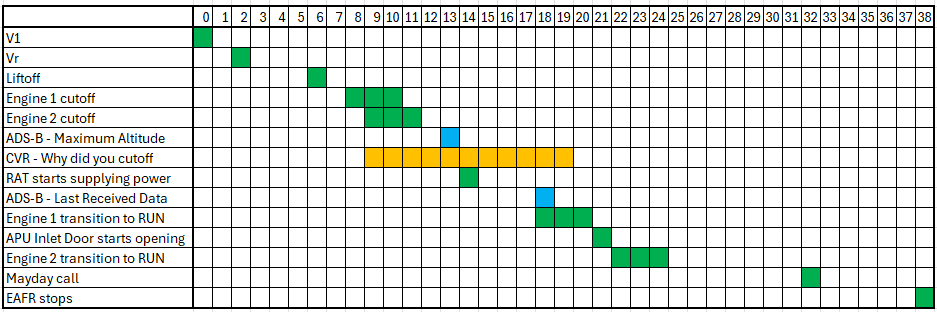
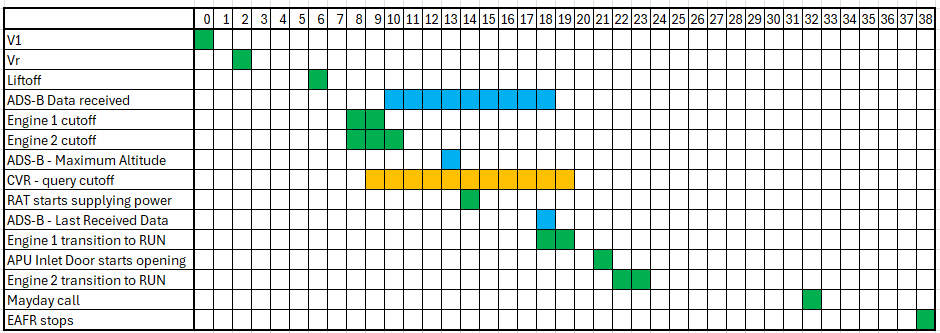
Not sure if this is helpful for anyone or not but I thought a visual view of the timeline of events might be useful, in seconds since V1.
I've assumed 1Hz for the switch sampling rate and >1Hz for everything else (could be wrong) to give windows for the switch state changes.
I've also added in the ADS-B relevant data, although made no attempt to work out whether these timestamps are synchronised or not, so take them as you will.
I have assumed the cutoff is in chronological order from the report, albeit I have ignored the RAT supply timestamp in terms of chronology from the CVR recording, as that statement in the report at that time may just be due to contextual nature of the statement, rather than it happening prior to the RAT power supply. This gives a window for potentially when that statement was made (assuming also that it was made prior to reversing cutoff).
Don't think it neccessarily adds anything for me, other than:
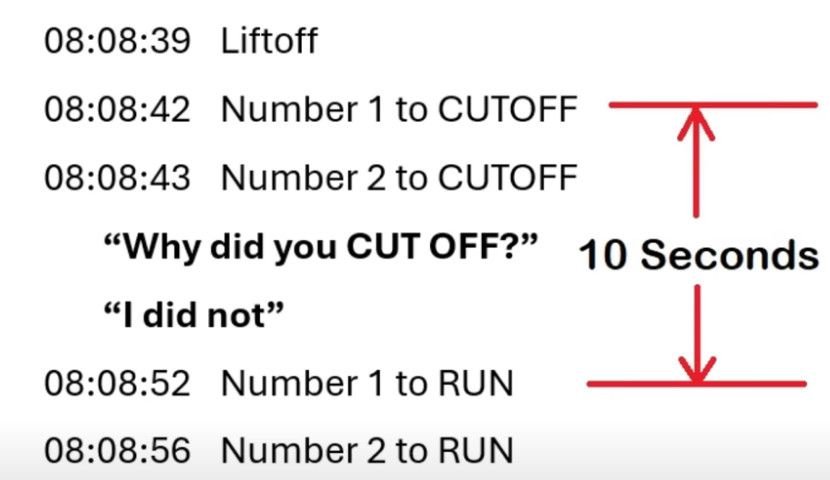
- Would we expect ADS-B data to stop on engine transition to run? Note that ADS-B data was received between 08:08:43 and 08:08:51, so apparently only received in the time window that the switches were in "cutoff"
- The window between the switches being shut off and moved to run could be as short as 8 seconds, and the window between engine 1 and engine 2 being moved to run could be as short as 2 seconds
- The statement on the CVR could be a wide range of timepoints.
The ADS-B data is in my view odd, albeit this might be my lack of understanding. Yes, not synchronised, but unless the timestamps are way out (like 10 seconds out, and given the timestamp of max altitude, this feels incredibly unlikely), ADS-B data was transmitted without issue during phase 2 (both engines off, no RAT), and phase 3 (both engines off, RAT)...but NOT phase 4 (both engines firing back up, presumably still with RAT?). Bear in mind that phase 4 is almost half of the short flight. Also it would appear no data during phase 1 (both engines on), including during takeoff, despite receiving data during taxi?
*EDIT* - having looked into some other historical ADS-B data for this airport, albeit a bit cursory, it definitely appears that the lack of data in "phase 1" that I've outlined above is solely a coverage issue, with no other flights I can see having coverage in that area either. It's harder to determine the "phase 4" element as obviously no airplanes in a normal mode are in that geographical region at the altitude in question, but it does appear to be a reasonably safe bet that the missing datapoints are coverage related.
Last edited by Mrshed; 13th July 2025 at 12:47 .
Subjects
ADSB
CVR
Fuel (All)
Fuel Cutoff Switches
Preliminary Report
RAT (All)
Timeline (Preliminary Report)
V1
Links are to this post in the relevant subject page so that this post can be seen in context.
Reply to this quoting this original post. You need to be logged in. Not available on closed threads.
July 13, 2025, 11:23:00 GMT
permalink Post: 11921207
Not sure if this is helpful for anyone or not but I thought a visual view of the timeline of events might be useful, in seconds since V1.
I've assumed 1Hz for the switch sampling rate and >1Hz for everything else (could be wrong) to give windows for the switch state changes.
I've also added in the ADS-B relevant data, although made no attempt to work out whether these timestamps are synchronised or not, so take them as you will.
I have assumed the cutoff is in chronological order from the report, albeit I have ignored the RAT supply timestamp in terms of chronology from the CVR recording, as that statement in the report at that time may just be due to contextual nature of the statement, rather than it happening prior to the RAT power supply. This gives a window for potentially when that statement was made (assuming also that it was made prior to reversing cutoff).
Really highlights how knowing precisely when the why did you cutoff" question was asked might have provided more clarity and less speculation as to how those fateful seconds played out
And it would have helped to know if Positive rate / Gear Up was called ... and when
Last edited by unworry; 13th July 2025 at 13:19 .
Subjects
ADSB
CVR
Fuel (All)
Fuel Cutoff Switches
Pilot "Why did you cut off"
Preliminary Report
RAT (All)
Timeline (Preliminary Report)
V1
Links are to this post in the relevant subject page so that this post can be seen in context.
Reply to this quoting this original post. You need to be logged in. Not available on closed threads.
July 13, 2025, 11:35:00 GMT
permalink Post: 11921214
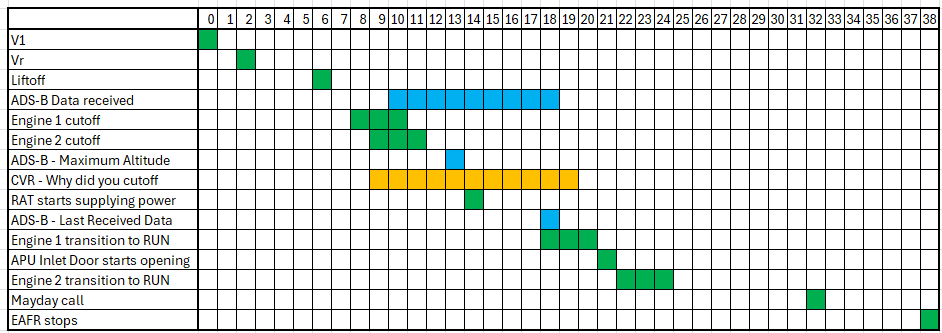
Assuming the 787 is similar, perhaps the aircraft was broadcasting ADS-B for the full flight (with the transponder running off main battery/RAT power) but the reception was marginal, resulting in no reception until just after liftoff and no reception once they start to sink again.
Subjects
ADSB
Links are to this post in the relevant subject page so that this post can be seen in context.
Reply to this quoting this original post. You need to be logged in. Not available on closed threads.
July 13, 2025, 12:50:00 GMT
permalink Post: 11921259

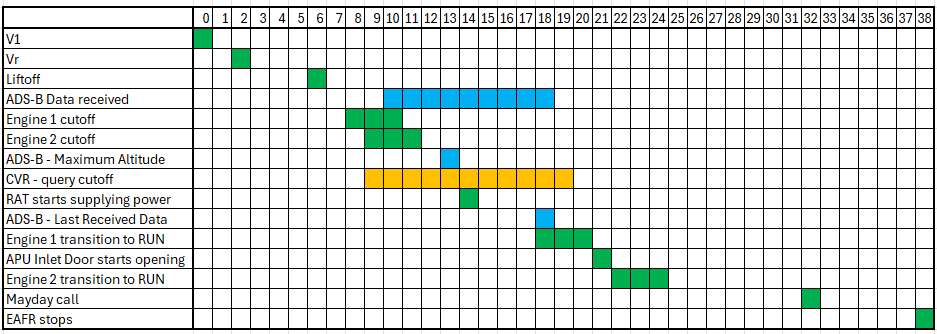
Latest version:
Subjects
CVR
Fuel (All)
Fuel Cutoff Switches
Pilot "Why did you cut off"
Links are to this post in the relevant subject page so that this post can be seen in context.
Reply to this quoting this original post. You need to be logged in. Not available on closed threads.
July 13, 2025, 15:18:00 GMT
permalink Post: 11921351
Corrected (FWIW):
Subjects
Muscle Memory
Links are to this post in the relevant subject page so that this post can be seen in context.
Reply to this quoting this original post. You need to be logged in. Not available on closed threads.
July 13, 2025, 18:40:00 GMT
permalink Post: 11921477
I have a couple of questions. Forgive me for being late into this thread if any of them is already discussed:
1) I just read this in a Boeing manual:
- They send signals to the remote data concentrators (RDC) and the spar valve start switch relays.
- The spar valve start switch relays use these signals to control the spar valve and the high pressure shut off valve (HPSOV) in the fuel metering unit (FMU).
- The RDCs send the signals to the common data network (CDN) and then to the electronic engine control (EEC) to operate the FMU fuel valves (FMV and HPSOV).
The fuel control switches have 2 positions:
- RUN
- CUTOFF.
You must pull the switch out of a detent to select a position.
2) Looking at the incident timeline, one of the pilots takes corrective action to reswitch to RUN position 10 seconds after maximum air speed is reached and 5 seconds after RAT is deployed. Is this normal?
It's not clear however that whether their conversation is after or before the RAT is deployed.
(No visual or auditory cues in the cockpit for a critical fuel switch action? Not hearing the engines shutting down?)
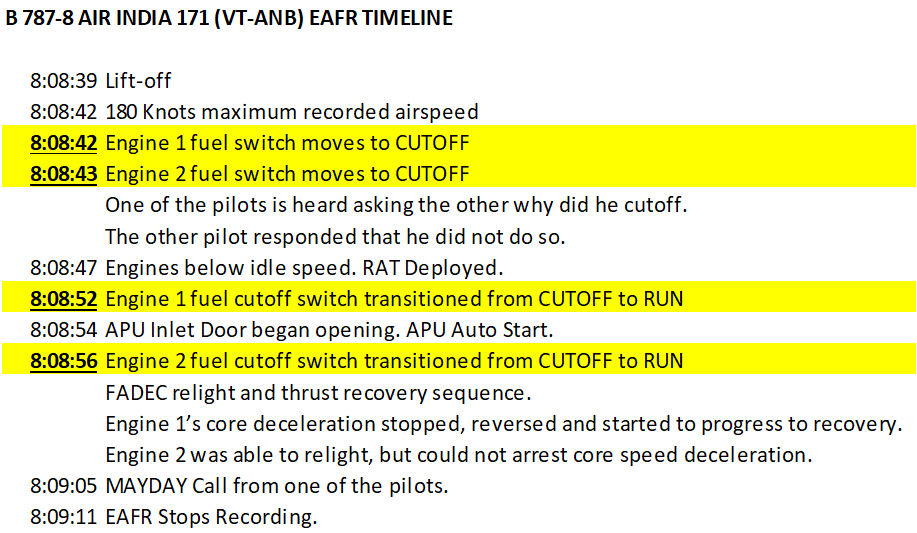
3) The same pilot that turns on Engine 1's fuel switch, turns on Engine 2's switch 4 whole seconds later. Why not consecutively, right one after the other, just like they were turned off one second apart?
If only he had done so the second engine might have recovered in time as well.
4) This aircraft's TCM has been replaced in 2019 and 2023, not related to a fuel switch issue. And there had been no fuel switch defect reports since 2023. One begs to ask if there had been a fuel switch defect report back in 2023 and what was the nature of it?
Are TCM's replaced as a whole, including the switches, twice? If so, why wouldn't they install a TCM version at least in 2023 with redesigned switches (w/ enhanced locking mechanism) mentioned in the FAA SAIB? Have they installed old/used TCM's manufactured prior to 2018 SAIB?
Please note that the RH and LH GE engines of the aircraft were only installed in March 2025 and May 2025 respectively, but they were used and dating from 2013 and 2012. Is this normal for a 12 year old Boeing aircraft to change so many mission critical components?
Electronic parts somehow, but how durable are those GE engines?
Thanks,
C.A.
When reading any of the data when it comes out, pay some attention to the sampling rate of the data being provided, it is quite possible to make erroneous assumptions where that is not taken into consideration. The data buses used to get data from the aircraft system to the recorder, and the recorders themselves use sequential sentences, and varyious rates.
IMHO.
Subjects
FAA
Fuel (All)
Fuel Cutoff Switches
Fuel Cutoff Switches (detent)
High Pressure Shutoff Valve
RAT (All)
RAT (Deployment)
RUN/CUTOFF
Spar Valves
Special Airworthiness Information Bulletin
Links are to this post in the relevant subject page so that this post can be seen in context.
Reply to this quoting this original post. You need to be logged in. Not available on closed threads.
July 13, 2025, 19:03:00 GMT
permalink Post: 11921493
As I understand it from previous discussions, without the APU, all electrical power except for that DC power provided by battery to essential systems would have been lost.
With the copilot as PF, would he have lost his instrument displays? If so, possibly additional startle effect and workload for him.
Why did the ADS-B information keep going on for so long? My understanding from previous threads was that loss of ADS-B was considered an indication of loss of electrical power.
What else would be expected with loss of power?
Some general speculation: I find it hard to understand the long delay from what must have been the onset of obvious issues to the time the first engine is set to "RUN". I wonder if much more cockpit dialog intervened, e.g. PF requesting PM to turn the fuel switches back on (since he had his hands full), and eventually operating the switches himself, with the delay and time gap between the two switches being turned to "RUN" being attributable to being preoccupied with flying the aircraft under trying conditions.
Subjects
ADSB
APU
Fuel (All)
Fuel Cutoff Switches
Preliminary Report
RAT (All)
RAT (Deployment)
RUN/CUTOFF
Startle Effect
Links are to this post in the relevant subject page so that this post can be seen in context.
Reply to this quoting this original post. You need to be logged in. Not available on closed threads.
July 14, 2025, 01:06:00 GMT
permalink Post: 11921794
There have been a few cases that I know about where the flight crew did a normal ground start with the thrust lever at mid-power, and the engine simply continues to accelerate to the 'commanded' N1 or EPR. In one case (a 777), this happened during pushback. As the engine continued to accelerate above idle, the thrust caused the aircraft to jackknife around the tug, causing the tug driver to have to dive for cover to prevent serious injury. That even happened while we were doing the development of the 747-8 - it prompted me to ask the 747 Chief Pilot if we wanted to consider a 'start inhibit' in the FADEC logic that would prevent a ground start attempt if the thrust lever wasn't at idle (ground starts only - for what should be obvious reasons). He didn't like the idea, and it went no further...
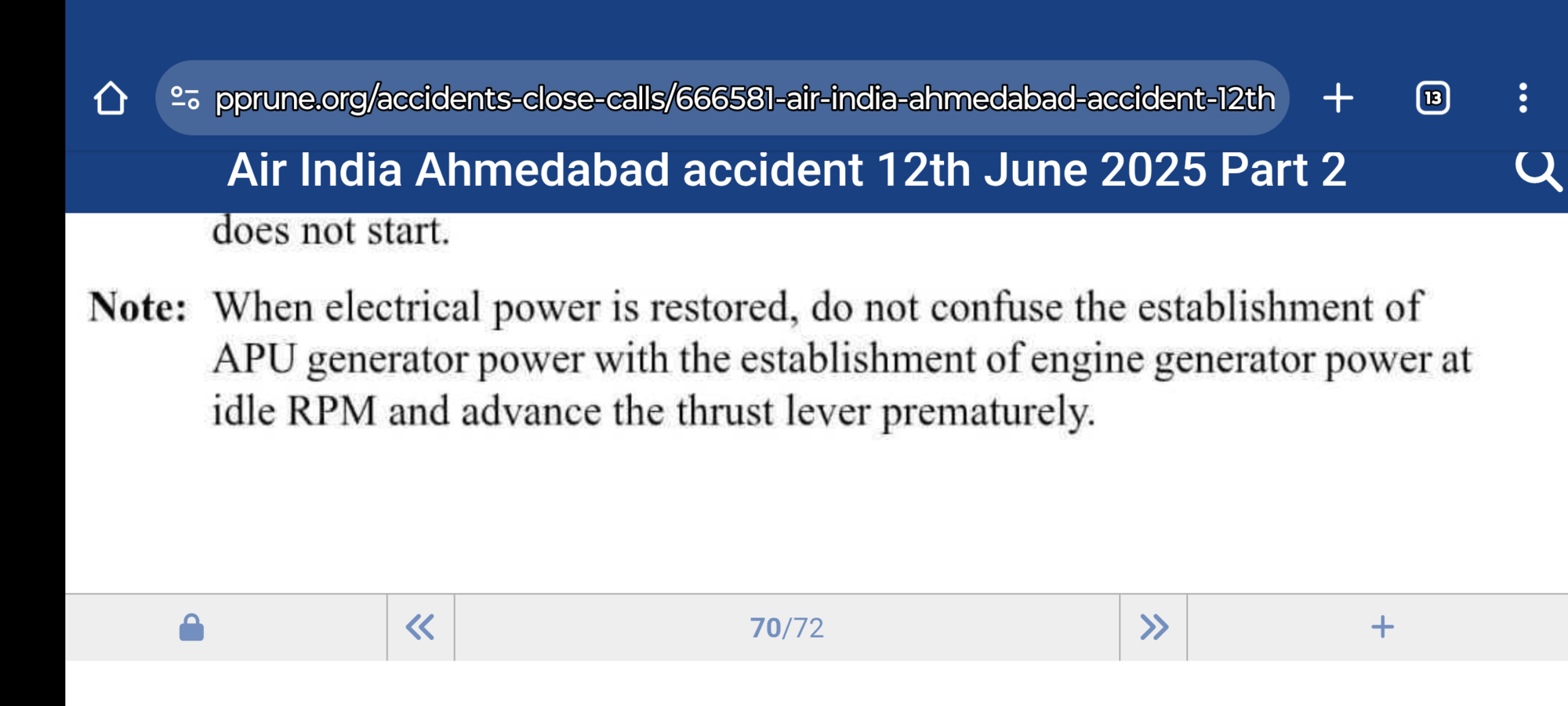
Thanks, makes sense. It was the above note that confused me.
Subjects
FADEC
Links are to this post in the relevant subject page so that this post can be seen in context.
Reply to this quoting this original post. You need to be logged in. Not available on closed threads.
July 14, 2025, 02:54:00 GMT
permalink Post: 11921821
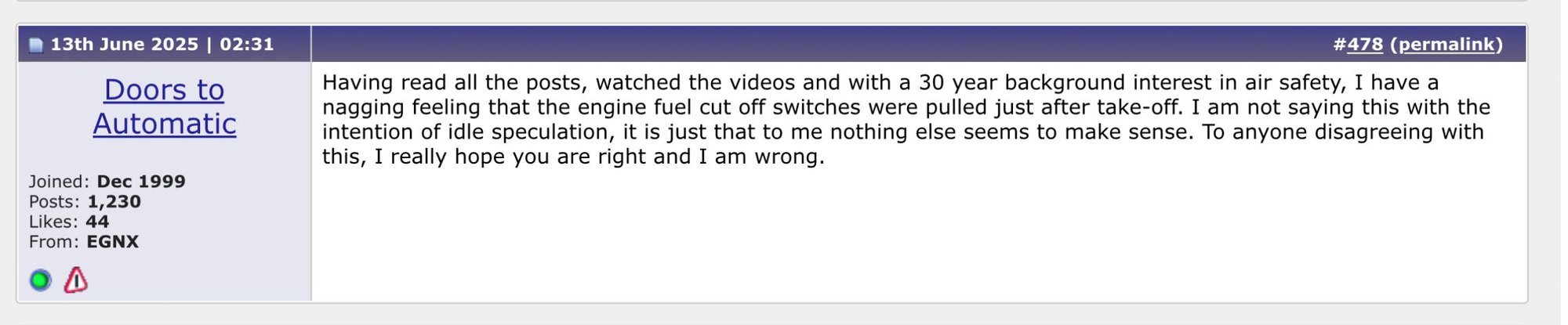
At the time I hoped I was wrong. I wasn’t .Now I am going to say that whilst not impossible, I think it unlikely that this was a technical issue. Again, I hope I am wrong.
Subjects: None
11 recorded likes for this post.Reply to this quoting this original post. You need to be logged in. Not available on closed threads.
July 14, 2025, 07:02:00 GMT
permalink Post: 11921875
Subjects
FDR
Fuel (All)
Fuel Cutoff
Fuel Cutoff Switches
Links are to this post in the relevant subject page so that this post can be seen in context.
Reply to this quoting this original post. You need to be logged in. Not available on closed threads.
July 14, 2025, 07:38:00 GMT
permalink Post: 11921895
Subjects
CVR
Fuel (All)
Fuel Cutoff
Fuel Cutoff Switches
RUN/CUTOFF
Links are to this post in the relevant subject page so that this post can be seen in context.
Reply to this quoting this original post. You need to be logged in. Not available on closed threads.
July 14, 2025, 21:36:00 GMT
permalink Post: 11922482
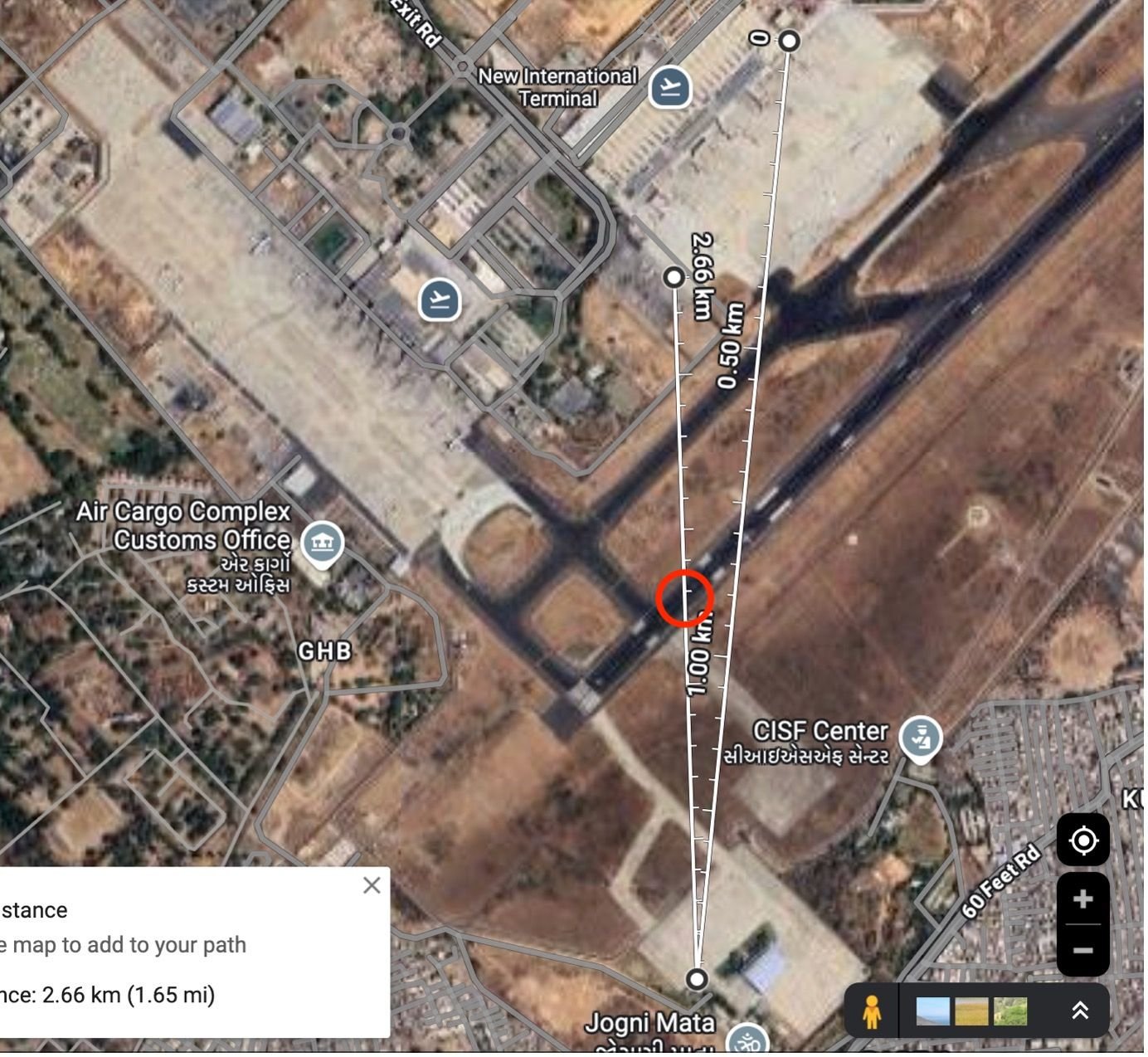
The deemed position of the CCTV camera is only an estimate, based on visual cues. I'm happy to share my workings, should anyone find it useful to cross-reference this with other data they are working on, but I will avoid cluttering up the thread any further until/unless it becomes relevant.
You're looking for the point where the LEFT of the two white lines intersects the runway (ignore the white dots):
Subjects
CCTV
Preliminary Report
RAT (All)
RAT (Deployment)
Links are to this post in the relevant subject page so that this post can be seen in context.
Reply to this quoting this original post. You need to be logged in. Not available on closed threads.
July 14, 2025, 23:27:00 GMT
permalink Post: 11922550
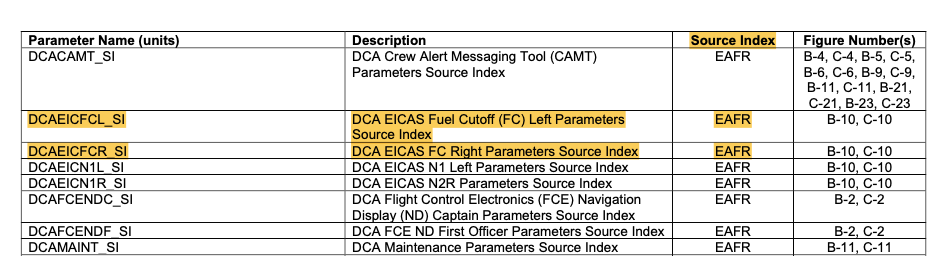
I cant speak for how long it would take to connect the dots though.
https://data.ntsb.gov/Docket/Documen...man-Master.PDF )

Last edited by D Bru; 14th July 2025 at 23:39 .
Subjects
EAFR
EICAS
Fuel (All)
Fuel Cutoff
Fuel Cutoff Switches
RAT (All)
RAT (Deployment)
Links are to this post in the relevant subject page so that this post can be seen in context.
Reply to this quoting this original post. You need to be logged in. Not available on closed threads.
July 15, 2025, 06:22:00 GMT
permalink Post: 11922663
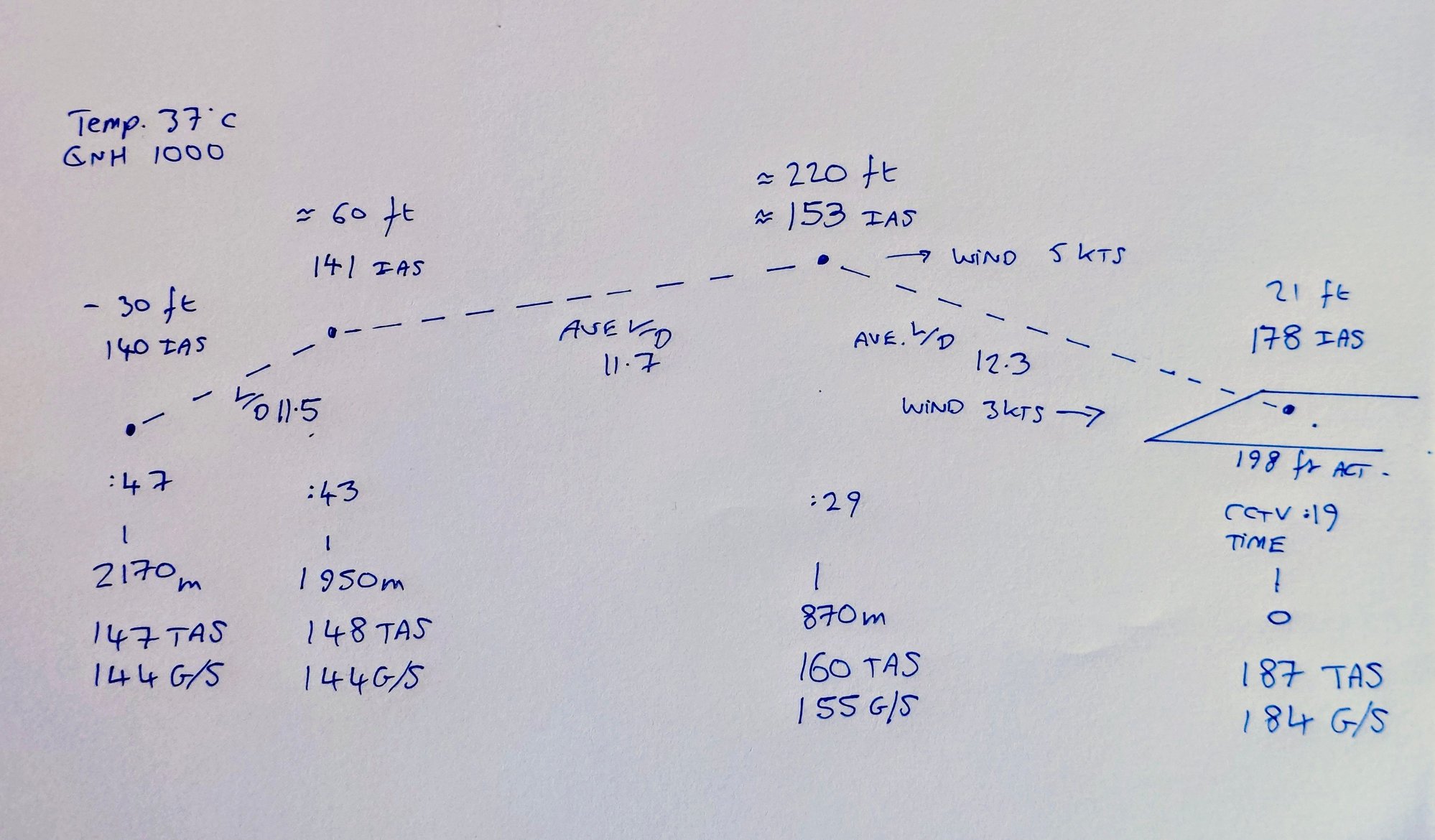
This energy-based model illustrates Air India 171's flight profile from liftoff to impact. It uses the initial data point from FlightRadar24 of 184 kts G/S, 21 ft height, Google Earth for the crash location, and CCTV footage (originally posted on X) for timing.
A key observation is the calculated average ground speed of 150 knots from the initial point, just after takeoff, to the crash site, derived using the CCTV elapsed time. The model incorporates "best-guess" mid-points inferred from the CCTV footage, which help depict approximate indicated airspeeds consistent with the aircraft's energy state throughout the flight.
The analysis assumes zero thrust during the flight and an average Lift-to-Drag ratio of approximately 12. For this model, a takeoff mass of 210 tonnes and an estimated V2 of 160 knots were used.
Note: This analysis was conducted prior to the release of the AAIB preliminary report, and therefore does not account for the correct take off mass and the actual V2 of 162. The differences are small and as this is a rough best guess, it\x92s just a basic energy model to show the possible trade between speed and height. No account was made of an engine spooling up at the end of the flight. Visual review of the video suggests the thrust from any restarting engine must have been very low, as no significant yaw is discernible.
Subjects
AAIB (All)
CCTV
FlightRadar24
Preliminary Report
V2
Links are to this post in the relevant subject page so that this post can be seen in context.
Reply to this quoting this original post. You need to be logged in. Not available on closed threads.
July 15, 2025, 12:31:00 GMT
permalink Post: 11922858

Subjects: None
21 recorded likes for this post.Reply to this quoting this original post. You need to be logged in. Not available on closed threads.
July 15, 2025, 13:36:00 GMT
permalink Post: 11922893
Subjects: None
No recorded likes for this post (could be before pprune supported 'likes').Reply to this quoting this original post. You need to be logged in. Not available on closed threads.
July 15, 2025, 18:02:00 GMT
permalink Post: 11923088
message “STAB POS XDCR” in the Tech Log. The troubleshooting was carried out as per
FIM by Air India’s on duty AME, and the aircraft was released for flight at 0640 UTC.
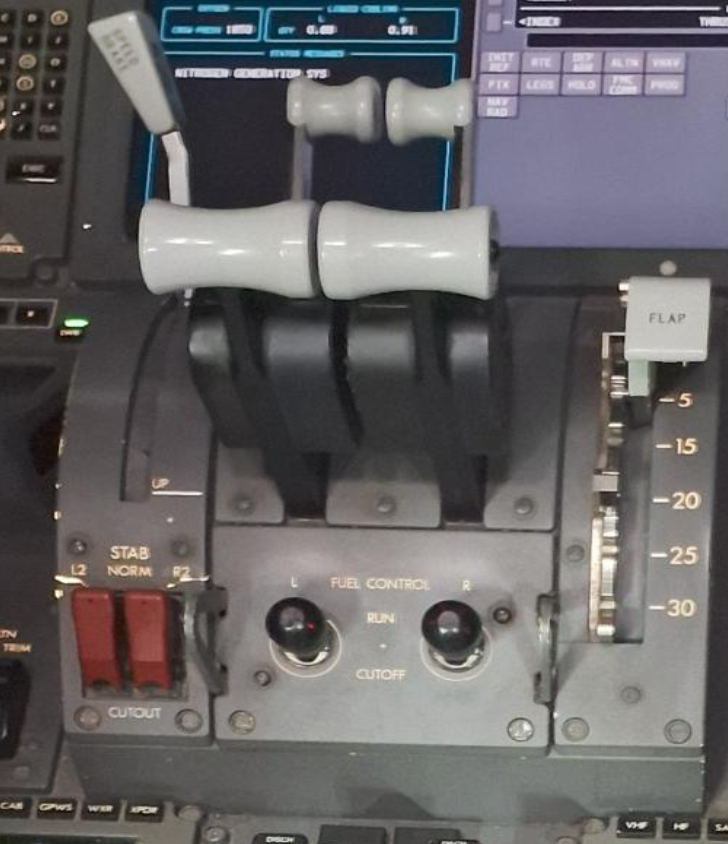
The STAB cutout switches are located next to the Fuel cutoff switches. What did Air India’s on duty AME do as part of their troubleshooting? Were panels removed to gain access to the rear of the switches and wiring? What about wiring and data connections elsewhere? What may have been disconnected/disturbed as part of this process? Do the STAB cutout switches and Fuel cutoff switches share any connectors that could have been inadvertantly cross-connected? Etc. It would not be the first time that an engineer had innocently done something that later caused an accident. And I haven't read anything about possible nefarious action by a (disgruntled?) engineer - but I've seen lots of accusations directed at the pilot(s)...
Secondly, the preliminary report's version of (part of) the conversation in the cockpit -
The other pilot responded that he did not do so.
A) one of the pilots lied
B) one of the pilots attempted to deflect blame onto the other pilot for the benefit of the CVR
C) One of the pilots unknowingly operated the fuel cutoff switches.
D) One of the pilots deliberately operated the fuel cutoff switches.
It is all too easy to blame one of the pilots when in reality no one outside of the official investigation may yet know what most likely happened.
Subjects
CVR
Fuel (All)
Fuel Cutoff
Fuel Cutoff Switches
Pilot "Why did you cut off"
Preliminary Report
Links are to this post in the relevant subject page so that this post can be seen in context.
Reply to this quoting this original post. You need to be logged in. Not available on closed threads.
July 15, 2025, 18:40:00 GMT
permalink Post: 11923111
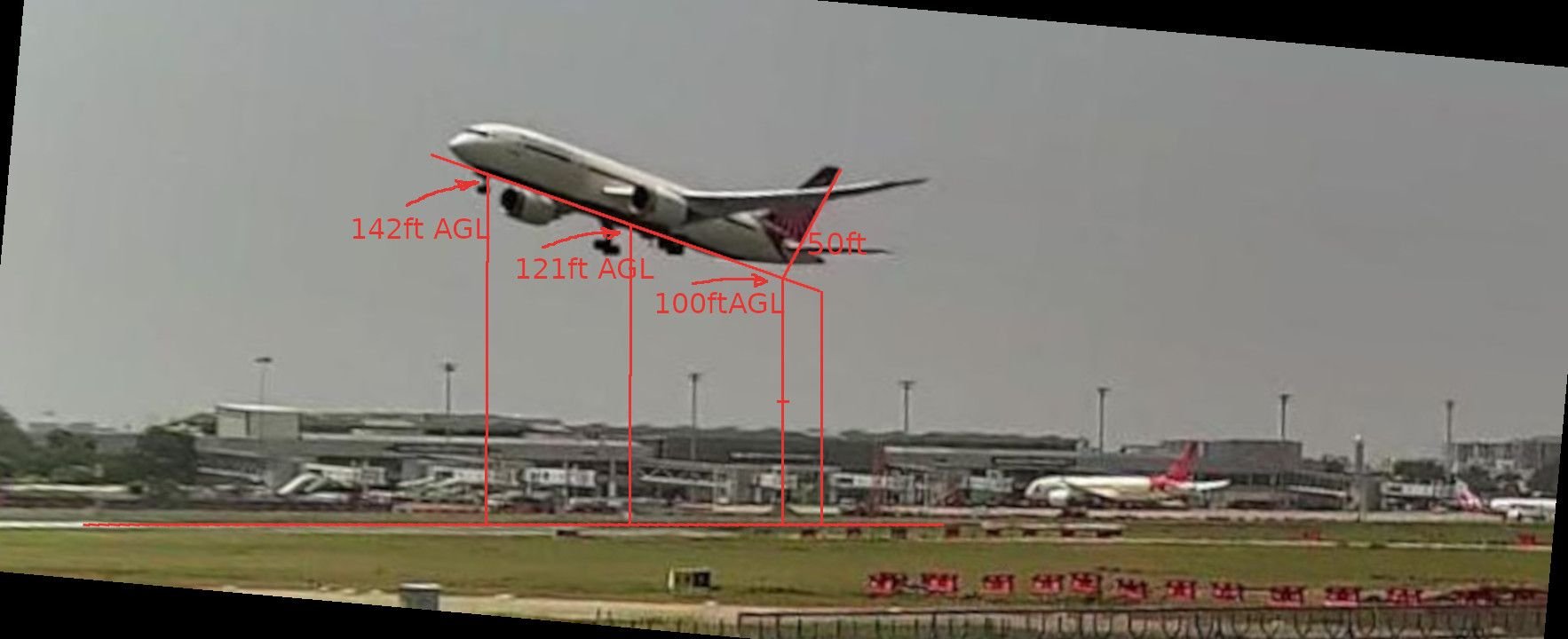
Baro altitude should be around 150ft; using the public cctv video, I estimate this picture was taken between 4-7 seconds after rotation. A wide range, but that was the best estimate I could come up with. Maybe someone else could narrow it down further.
Subjects
Preliminary Report
RAT (All)
RAT (Deployment)
Links are to this post in the relevant subject page so that this post can be seen in context.
Reply to this quoting this original post. You need to be logged in. Not available on closed threads.